


If living off-grid in a tiny house teaches you anything, it’s that every centimeter matters. Between water containers, backup batteries, tools, and food supplies, it’s easy for even the most beautifully designed small home to look—and feel—like a storage unit gone rogue.
But here’s the truth: tiny doesn’t have to mean cramped.
With clever design, thoughtful organization, and a minimalist mindset, you can create space that works hard, stays tidy, and actually feels peaceful. Today, let’s tackle Challenge #4 from our seven challenges off-grid series: Space Crunch and Storage—definitely one of the daily battles in tiny home living.
Below, we’ll explore practical, realistic ways to maximize every bit of your space—not by buying more containers or gadgets, but by rethinking how you use the space you already have.
Before I even start, I want to highlight one super important thing:
Yes, tiny houses are small but in typical scenarios they are placed somewhere out in nature with plenty of space outside. So, whatever is tiny inside can be compensated by what is titanic outside. That is the beauty of tiny living and we are not doing that to spend all the time inside anyway.
1. Plan Your Storage Early (Before You Build)
The best tiny houses aren’t just small—they’re intelligently designed. Before you even cut the first board, spend time planning how much stuff you own, how often you’ll use each item, and where it will go. A small upfront plan saves huge frustration later. As a general advise: try own less stuff to start with. Most of the clutter we don’t really need.
Sketch out zones for food, tools, clothing, and gear. Consider modular designs—think furniture that doubles as storage or walls with built-in cupboards. Every centimeter from floor to ceiling should “earn its keep.”
This planning step often means being brutally honest. If an item doesn’t have a home in your layout, ask: Do I really need it?
2. Embrace Built-Ins Over Boxes
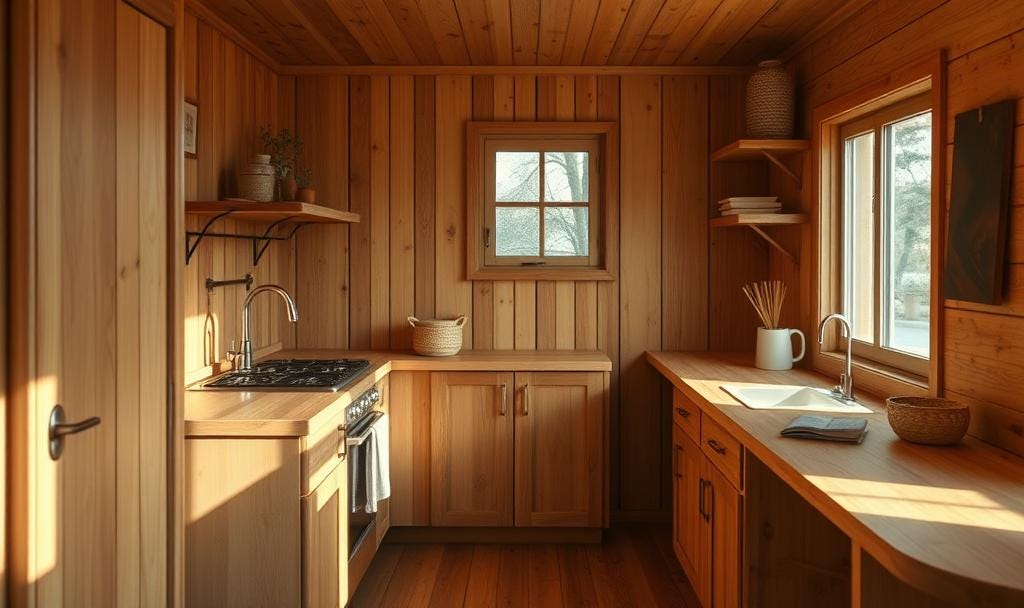
Freestanding shelves and plastic bins waste precious air space. Built-ins, on the other hand, become part of the house structure.
Under the stairs: Slide-out drawers or shelves are perfect for shoes, tools, or pantry goods.
Under benches or the couch: Hidden compartments work wonders for linens, board games, or seasonal gear.
Headboard storage: A hollow bed headboard is prime real estate for books, chargers, and bedtime essentials.
Built-ins make cleaning easier, reduce clutter, and look seamless—like smart design instead of messy storage.
3. Vertical Space Is Your Hidden Superpower
Tiny house dwellers often forget the space above eye level. But your walls are basically unused square footage waiting to help.
Use high shelves for rarely used items (like winter clothes or camping gear). Add hooks, pegboards, and rails to keep tools and utensils handy without eating counter space.
Even the ceiling can work hard—hang pots in the kitchen, or suspend small baskets for lightweight items. And don’t forget door backs: perfect for hanging organizers or slim shelves.
Pro Tip: Mixing open and closed storage keeps the space feeling airy without visual clutter.
4. Go Modular and Movable
In tiny living, lifestyle changes can quickly outgrow static setups. That’s where modular storage shines.
Choose foldable, rolling, or convertible pieces. Think benches that tuck under tables, stackable boxes, and adjustable shelving systems. Wheel-mounted furniture can slide around as you reconfigure your space.
The goal is flexibility. Today it’s a breakfast nook, tomorrow it’s your laptop workstation. Smart storage doesn’t just hide things—it adapts.
5. Prioritize Accessibility
Not all storage is created equal. Items you use daily—like utensils, shoes, or toiletries—shouldn’t require a mini excavation to reach.
Keep essentials and stuff you use often within easy reach. Store backup supplies high or at the back. Label bins so you spend minutes (not hours) finding things. Accessibility keeps your space functional and stops clutter from building up out of frustration.
Rule of thumb: If you can’t reach it easily, you won’t use it—or you’ll buy a duplicate. Or you just get rid of it. Less stuff. You probably won’t need it anyway.
6. Use Multi-Functional Furniture
Tiny homes thrive on the rule of double (or more) duty. When every object earns more than one paycheck, you win.
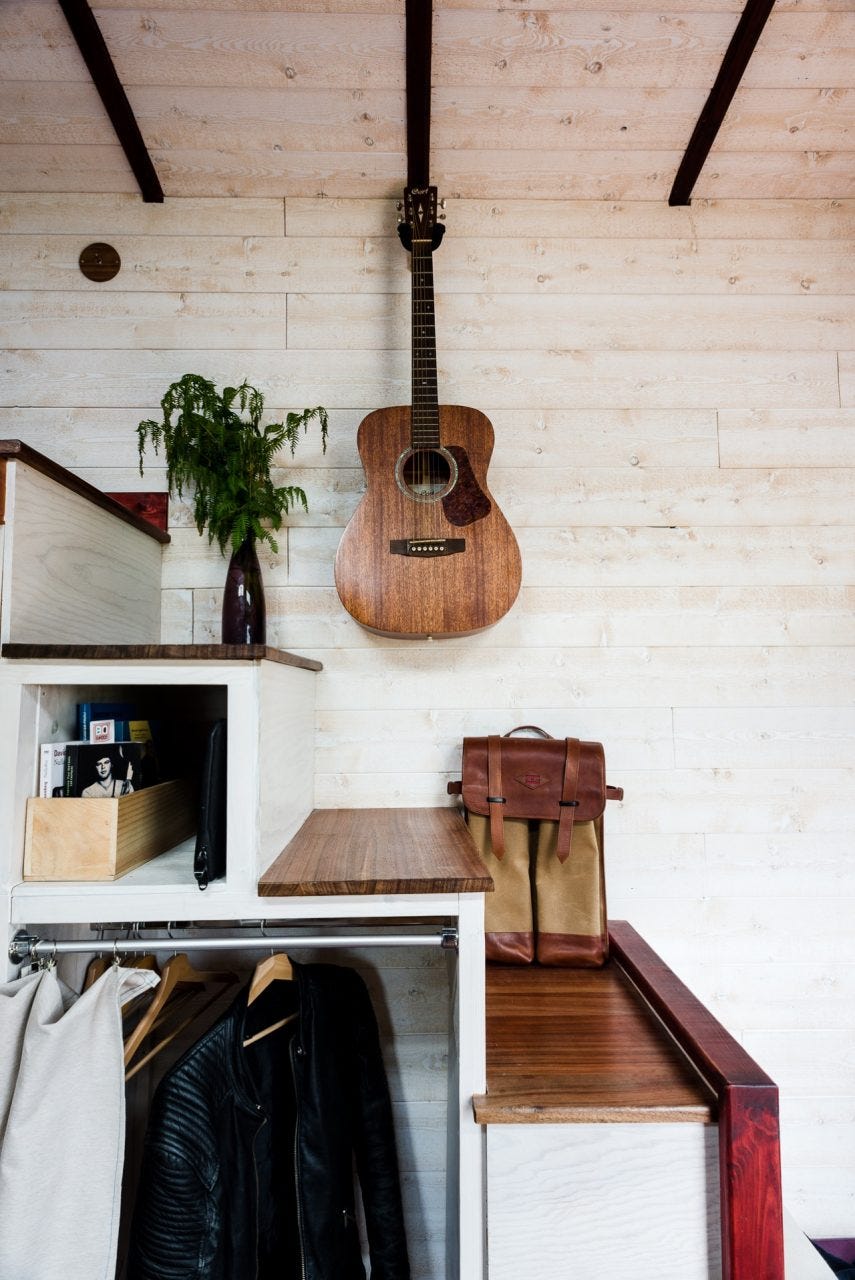
A great example: a bed with drawers underneath, a dining table that folds down into a desk, stairs with drawers and storage space underneath, or a storage ottoman that’s both seat and bin.
You don’t need expensive custom pieces either—simple DIY fixes often work better. Add hidden compartments to a bench, or hinge a tabletop that folds up when needed.
This is another super important tiny living principle: The multi-use, multi-purpose anything. The more uses one “thing” can give you, the better this thing is for your tiny quality of life. This counts for tiny houses as well as camper vans.
7. Rethink Your Kitchen Layout
The kitchen is a notorious clutter zone in small spaces. Here’s where some smart fixes make a big difference:
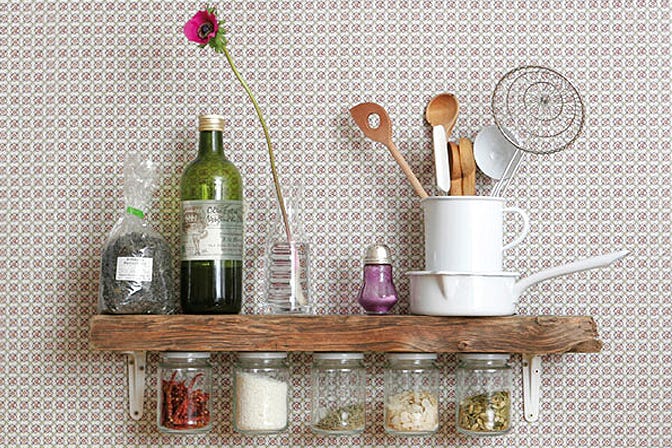
The famous under shelf jar storage. This is a genius hack, cheap and easy to do.
Use magnetic strips to hang knives and metal tools on the wall.
Store pans vertically with dividers instead of stacking them.
Opt for pull-out pantry shelves instead of deep cabinets.
Keep counters clear; use hooks and racks for mugs, utensils, and spices.
Cooking off-grid already means balancing limited power sources—don’t let clutter drain your patience too.
8. The Bathroom Balancing Act
Bathrooms are often the smallest room in an already small house. Maximize storage with shelves above the toilet, drawers under the sink, or slim rolling carts.
A mirror cabinet saves space, while baskets made of natural materials keep toiletries handy and aesthetically calm. Remember: even soap and toothpaste deserve a “home.”
9. Declutter Ruthlessly (and Regularly)
I may have mentioned this before: Get rid of shit you don’t need.
Living tiny means embracing the mindset that less is truly more.
Do regular “mini audits.” If something hasn’t been used in six months, ask why you still own it. Donate, sell, or repurpose. Keeping clutter out is easier than managing it.
Clutter control also saves energy—less to clean, organize, and carry around when you move your tiny home. Minimalism is storage’s best friend.
10. Think Outside the Tiny House
If you have space around your home, use it! Outdoor sheds, storage boxes, or even weatherproof lockers can take bulky or seasonal items off your interior’s shoulders.
Bonus: outdoor storage doubles as a buffer zone between nature and your clean indoor comfort (great for muddy boots, firewood, and tools).
In some climates, a partially enclosed porch or “mudroom deck” can transform into a mini-warehouse for gear and canned goods.
11. Lighting and Color Can Cheat Space
Storage isn’t only about physical volume—how your home feels matters.
Use light-colored walls and ceilings to make your space feel bigger. Good lighting also helps; under-shelf LED strips and reflective surfaces make even small areas airy and open.
Keeping clutter tucked away in visually clean lines creates calm, not chaos.
12. The Invisible Art of Flow
The secret to truly smart tiny house storage isn’t just clever compartments—it’s flow. How you move through the space determines how well it works.
Pro tip: If you cannot move, it’s bad!
Walk through your daily routine in your mind (or literally). Is the coffee mug too far from the kettle? Is your laundry basket blocking a walkway? Tiny annoyances multiply in small spaces.
Great design means fewer frictions between you and your life. Comfort does not necessarily need big spaces. It just needs to allow a smooth flow.

Let’s Recap
To transform storage frustration into off-grid joy:
Design with intent: Build storage into your structure and plan early.
Live light: Declutter and adapt often—your needs evolve.
Get creative: Reclaim every corner.
Tiny inside: titanic outside.
The multi-use, multi-purpose anything.
Smooth flow means comfort.
Get rid of shit you don’t need.
Living off-grid in a tiny house isn’t about fitting into less space—it’s about creating more freedom. When your environment supports your routine instead of suffocating it, you start living richly in every sense.
And remember: good storage design isn’t about hiding things—it’s about making space for what truly matters.
Next in the series:
We’ll dive into Choosing the Best Location for Your Off-Grid Tiny Home—because where you live can matter as much as how you design your space.
If you’ve enjoyed this deep dive, click the button below to subscribe to The Rich Minimalist or share your own storage hacks in the comments. Let’s keep building this Rich Minimalist community together!
Or just leave a ❤️