

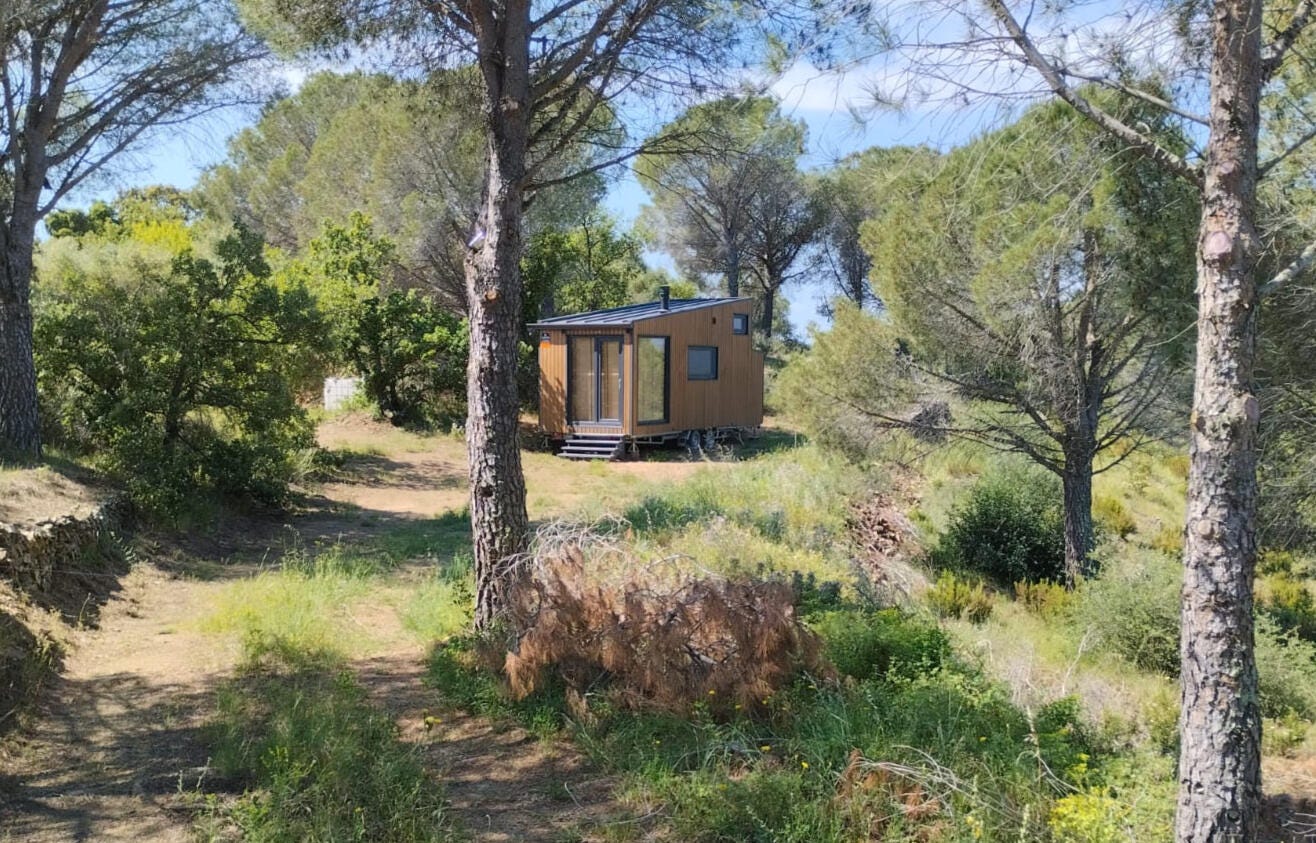
I love living off-grid in a tiny house.
It is an adventure in self-sufficiency, sustainability, and freedom—but it’s also a daily challenge packed with surprises and hurdles. Whether you’re drawn to minimalist living, escaping the rat race, or reducing your environmental footprint, there are common concerns faced by nearly everyone who is thinking about making the leap.
This post is the first of a series in which I want to discuss and present solutions to the seven biggest worries you’ll encounter on the path to off-grid tiny house life. In this introductory post, we’ll outline each concern—so you know what to expect and plan for. Stay tuned for future posts where I’ll dive deep into proven solutions for each!
1. Power Supply and Energy Management
Off-grid means “no utility hookups,” so your home’s electricity comes from sources that usually you need to create somehow. This includes sources like solar, wind, or sometimes generators.
The catch?
Calculating realistic power needs is an absolutely crucial step and way harder than many anticipate. Cloudy days, shade, or harsh winter can leave you short on energy, forcing you to ration activities or make unplanned investments. Managing battery storage, system repairs, and energy-efficient habits quickly becomes a major part of daily life—and one frustrating miscalculation can send everything off-balance.
2. Water Supply and Waste Management
Water is probably the most critical ongoing off-grid concern. An endless tap is a modern luxury that’s tough to replicate off-grid. That was also one of my biggest insights when moving off-grid.
Tiny houses often rely on rainwater collection, wells (which can be very expensive or illegal), or transported water. In addition, you need to source enough clean water for drinking, cooking, and cleaning. This is a constant effort.
Add to that the challenge of greywater (dish, shower runoff) and waste (composting or incinerating toilet, sewage), and it’s clear that both supply and disposal systems demand regular attention and maintenance to keep everything safe and functional. There are always ways to solve these but sometimes that may be easier, sometimes harder, and often times requires a lot of creativity and resourcefulness.
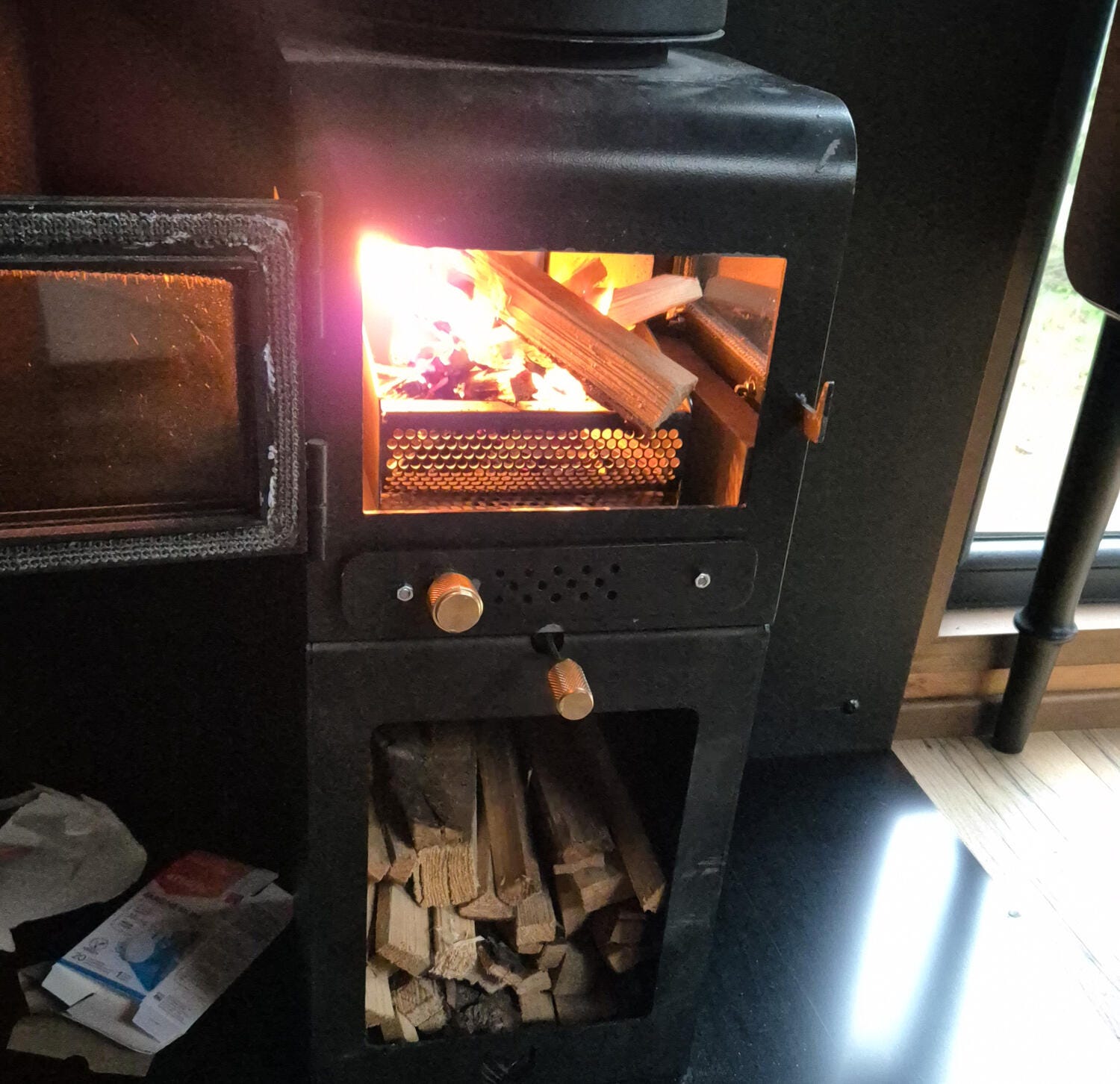
3. Heating (and Cooling)
Maintaining comfort in a tiny off-grid home can be a battle against the elements. These pint-sized spaces heat up and cool down fast, and off-grid power systems often struggle to run air conditioning, electric heaters, or dehumidifiers. Without insulation, the climate inside can feel as extreme as outside—and food, pipes, and clothes all suffer.
There are many things you need to take into account, which you may not even aware now due to our cozy modern lives. Climate management means planning for all seasons and unexpected weather, not just sunny summer days.
4. Space Crunch and Storage
Tiny homes, by definition, have limited room. Decluttering is liberating—but some find themselves in a constant squeeze for storage, especially for food, tools, outdoor gear, and bulky seasonal items. Constant re-arranging of things can become really annoying. Off-grid living usually requires extra supplies (water jugs, backup batteries, emergency kits), which can turn a cozy nest into a crowded challenge if not carefully managed.
5. Location Issues
Picking where to position your tiny home is more than a GPS pin.
Many factors play a role. Access to sunlight (for solar power), local water sources, distance to civilization, weather exposure like extreme winds, temperatures or snow storms, wildlife, and safe surroundings can make or break your off-grid dream.
Legal restrictions, zoning laws, and accessibility for getting supplies can pose unexpected obstacles. Sometimes the romance of a remote location leads to isolation or high cost or logistical headaches down the line.
6. System Maintenance & DIY Skills
No utility company means you are the utility company.
From cleaning solar panels and maintaining batteries to fixing leaks and troubleshooting compost toilets, the ability (and time) to handle repairs—or learn on the fly—becomes critical. If a system breaks, there’s no quick fix, and downtime can interrupt the basics of daily living.
Maintenance isn’t just important; it’s inevitable. And it’s a full time job.
7. Feeling Lonely—Social Isolation and Connectivity
Many go off-grid for solitude, peace, and privacy. Yet too much isolation can breed loneliness and disconnect you from support networks, family, or emergency help. This can really become an issue. Especially at the beginning you are super busy with creating things around your house to make your life more comfortable. But later the business can turn into boredom and loneliness. Internet access can help, so you can at least contact friends and family or research stuff.
If you are too remote, sometimes even basic contact can turn into a frustrating challenge. Connecting with neighbors, building local relationships, and nurturing support circles is vital—especially for long-term well-being.
Ready to Learn How to Navigate These Challenges?
In the coming weeks, I’ll share practical solutions, proven hacks, stories from the field and my own experience for each of the seven concerns raised in this first article. The next one is about “Mastering Power Supply and Energy Management for Your Off-Grid Tiny House.”
Stay tuned and subscribe so you don’t miss out on the hands-on advice that makes tiny, off-grid living truly rewarding!
Let me know which concern you want tackled first, or share your own experiences in the comments: every story helps build smarter, happier off-grid communities!
Or just leave a ❤️