

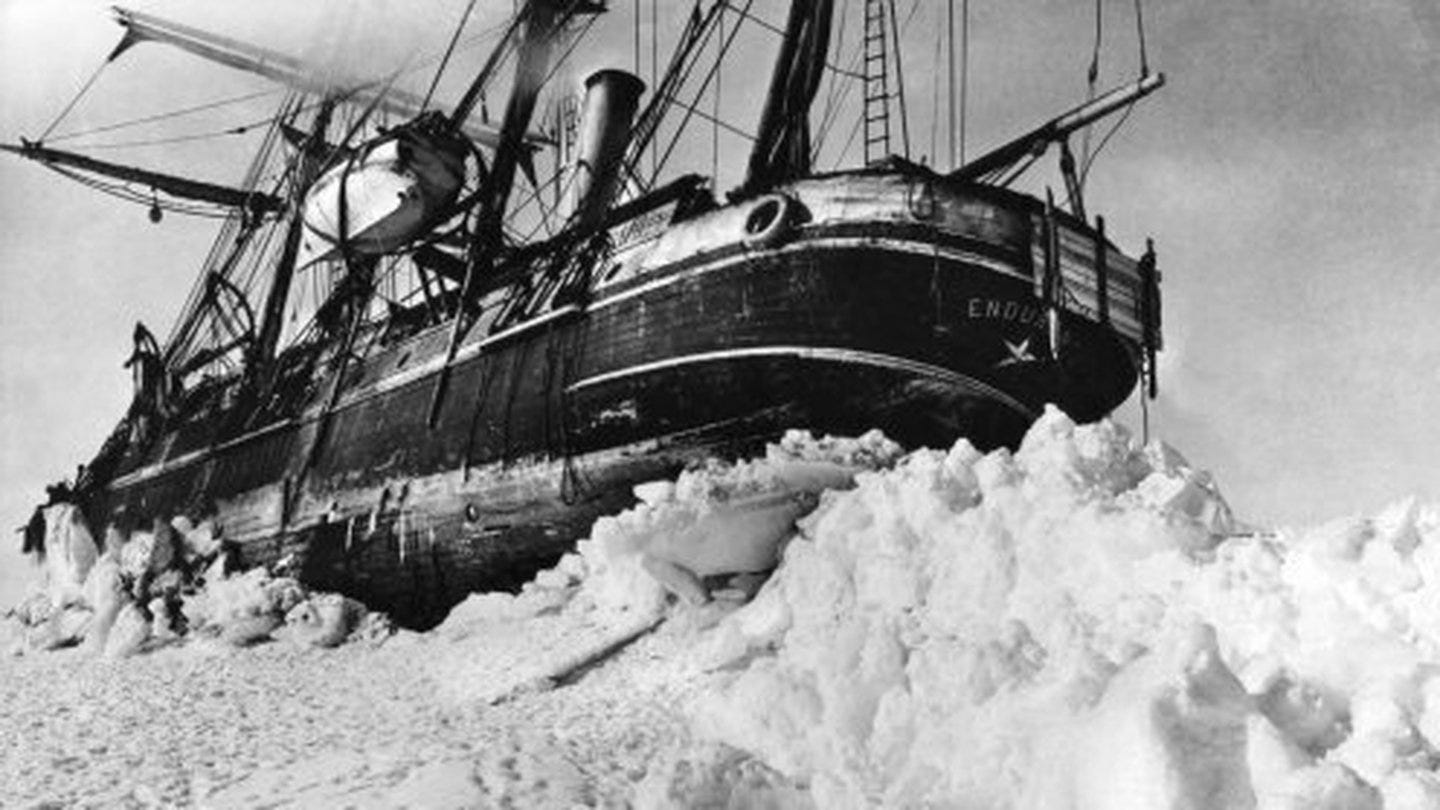
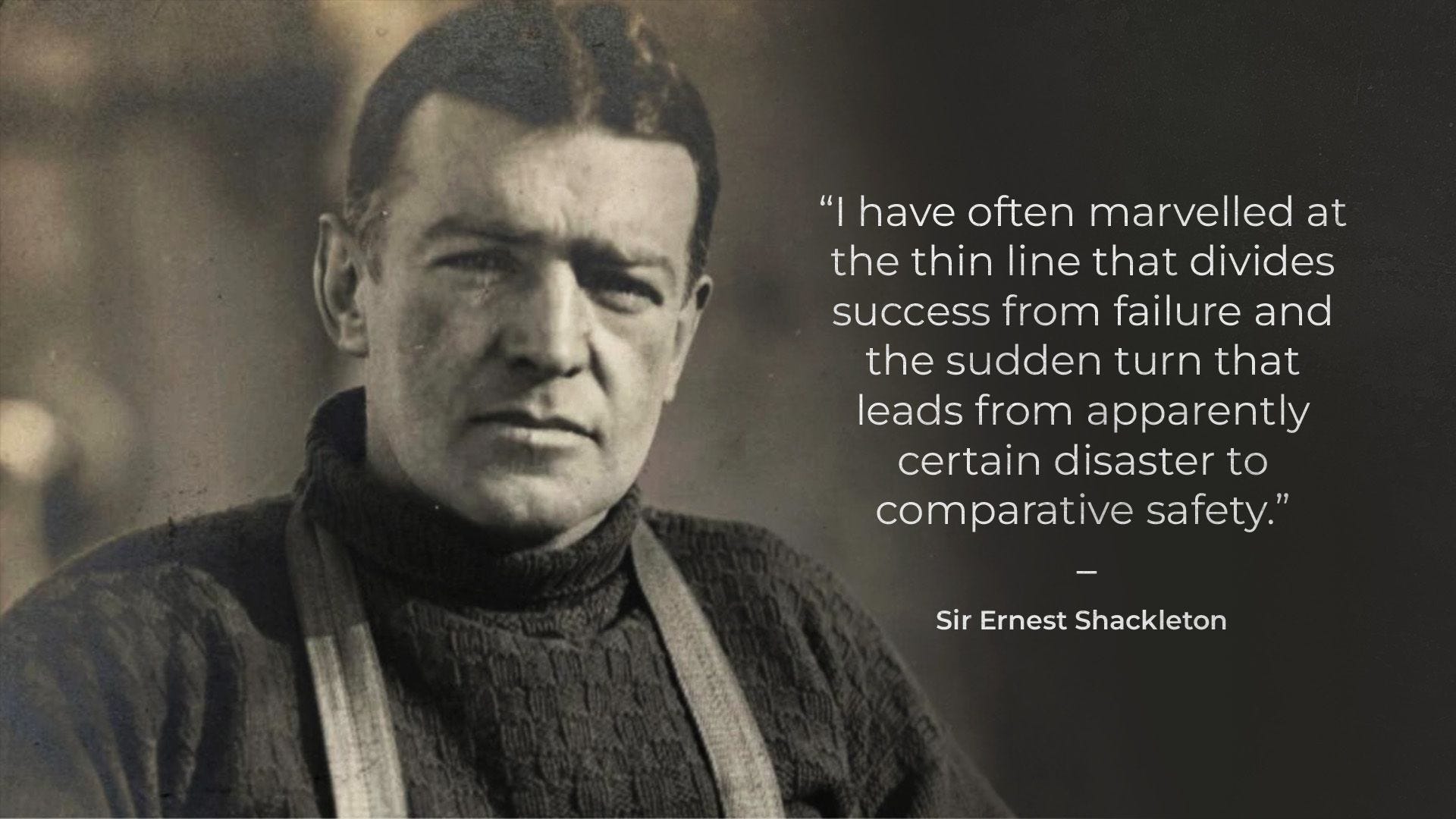
Few stories in the annals of survival can rival the saga of Sir Ernest Shackleton and his crew aboard the Endurance. Launched in 1914, this expedition aimed at the first land crossing of Antarctica turned instead into a masterclass in leadership, resilience, and human spirit as Shackleton guided 28 men through nearly two years of ice, ocean, and the brink of despair—without a single loss of life.
This is not just a tale of survival in one of the harshest environments on earth; it is a profound lesson on the power of hope, adaptability, and the strength of unity in the face of overwhelming odds.
Setting Sail for History
Ernest Shackleton, an explorer with experience from previous Antarctic ventures, was determined to cross the continent on foot—a feat never before completed. On August 8, 1914, his ship Endurance set sail from London, full of ambition and dreams entering the Imperial Trans-Antarctic Expedition.
What none could foresee was the frozen grip of the Weddell Sea—a vast, twisting expanse of sea ice that would soon imprison the Endurance.
Trapped in the Ice: The Beginning of the Ordeal
By January 1915, the Endurance was trapped in the ever-shifting sea ice. Attempts to free the ship failed, and by October 1915 the crushing pressure began to tear the hull apart. Shackleton gave the order to abandon ship. The majestic Endurance sank beneath the ice, becoming a ghostly tomb as the men set up camp on the floating ice floe above.

Surviving on Ice Floes
For months, the crew lived on shifting ice, exposed to brutal cold, bitter wind, and the constant threat of the ice breaking apart beneath them. Despite the desperation, Shackleton’s leadership shone through: he prioritized morale, organized activities, enforced discipline, and kept the men hopeful.
They hunted seals and penguins to survive and endured blizzards and near-starvation. With limited supplies and no immediate hope of rescue, every day was a test of endurance.
The Epic Boat Journey
When the ice began to break up in April 1916, Shackleton led the men on an arduous journey to reach open water. Using lifeboats, they navigated treacherous, icy seas to reach Elephant Island—a remote, uninhabited outcrop of rocks in the South Shetland Islands.
However, Elephant Island was no safe haven. No ships passed nearby. Shackleton made a bold decision: he and five men would attempt to sail 800 miles in a small, open lifeboat—the James Caird—across some of the planet’s roughest seas to reach South Georgia Island, where a whaling station promised rescue.
The Voyage of the James Caird
The journey was a brutal two-week battle against monstrous waves, freezing temperatures, and almost constant storms. Shackleton’s navigation skills, grit, and refusal to surrender kept the tiny boat afloat and the men alive.
Landing on South Georgia was only half the victory—the whaling station was on the island’s opposite side, separated by uncharted mountains. Shackleton and two companions crossed glaciers and peaks in a desperate trek lasting 36 hours, finally reaching help.

Rescuing the Crew and Lessons Learned
Shackleton returned to Elephant Island to rescue the rest of the crew, finally ferrying all 22 men off the island without losing a single life. The Endurance expedition had failed in its original goal but succeeded dazzlingly in survival.
What Shackleton’s Story Teaches Us
Leadership Under Pressure
Shackleton’s calm, decisive leadership—encouraging optimism without ignoring risks—was key. He understood the importance of mental resilience, routine, and community.Adaptability is Survival
When the plan changed, Shackleton swiftly recalibrated. He embraced new realities and made bold decisions, from abandoning the ship to the daring ocean voyage.Hope as a Survival Tool
Even isolated in some of the most desolate places on earth, Shackleton kept his men focused on rescue and the future. Hope fueled their physical and mental endurance.The Power of Teamwork
In freezing isolation, the crew’s solidarity, mutual support, and shared responsibility kept spirits alive and bodies moving.Preparedness and Resourcefulness
Despite losing their ship and much gear, creative use of supplies and ingenuity kept them alive. Hunting seals, maintaining fire, and improvising shelter made all the difference.

Bringing Shackleton’s Spirit to Our Modern Lives
Whether navigating personal hardships, professional upheavals, or physical challenges, we can learn from Shackleton’s blend of courage and compassion. His story reminds us that even when the ice closes in, survival and success come from learning, adapting, supporting each other, and never giving up hope.
For more inspiring tales of survival, resilience, and mindful living, subscribe to The Rich Minimalist—where less is more and adversity becomes an adventure.
Thank you for reading The Rich Minimalist. Please also take a look at the Welcome to The Rich Minimalist article, where I describe my mini manifesto and how it all fits into the bigger picture.
Or leave a ❤️ or a comment.