

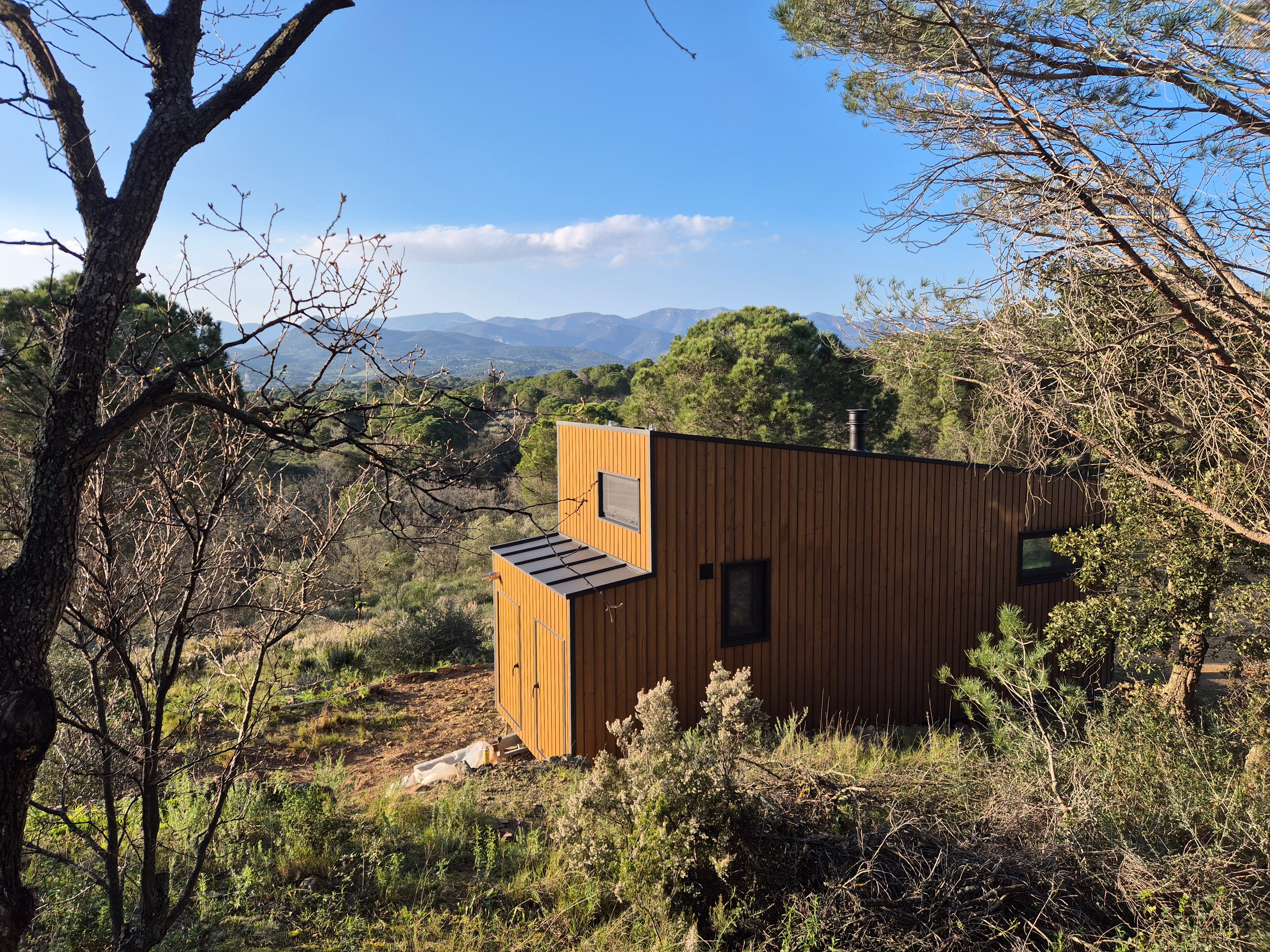
In today’s post, I cover another crucial step of our quest to overcome the 7 Biggest Off-Grid Tiny House Challenges: the ideal location.
Tiny houses are cool and all. But what’s the point of having the coolest tiny house when it’s placed in a shitty location?
The first step before researching and choosing a location for a tiny house is to be very clear what you actually want to do with your house. Do you plan to rent and monetize it? Is it for you to live in? Full time or part time? Do you want to use it for farming? What activities and communities do you want to be able to engage with? These are all questions that you need to carefully consider first.
My guide in this article is quite hard-fact oriented. And while it is very important to carefully collect and analyse all sorts of data for making your location decision, do not underestimate the importance of “soft-factors.” That is, how is your emotional connection to a potential land? How does it make you feel walking around there? How is the view? Smell? Noise?
Your gut feeling does play an important role and I recommend to really consider it, too, before you make a decision. Everything may sound perfect based on data, but if your gut says “don’t do it!” — or vice versa — at least think about it twice.
With that out of the way, let’s dive in.
Location, location, location—off-grid living depends on it more than you think
When you imagine your off-grid tiny house, you probably picture a peaceful spot surrounded by nature—the perfect retreat from city noise. But there’s much more to location than just aesthetics. Choosing where to place your tiny home affects everything: power, water, weather, access, safety, and even your sense of community.
Off-grid living comes with responsibilities that traditional housing doesn’t demand. Without utility hookups and convenient services, your site choice becomes the foundation of a thriving lifestyle—or a source of constant headaches. Picking the right spot means making your life easier, your energy system more efficient, and your off-grid dreams not only possible but enjoyable.
Why Location Matters Off-Grid
Your off-grid location impacts the very basics of your survival and comfort. Solar power systems require good sunlight, so a shaded or overly cloudy site may leave you with too little energy, forcing compromises or costly system expansions. Access to water is non-negotiable—whether you’re relying on rainwater, nearby wells, or natural sources—and the quantity and legality of these water options vary hugely by location. Weather patterns influence the heating, cooling, and long-term durability of your home. Consider wind exposure, snow load, and storm frequencies, which determine your structural and energy planning.
Accessibility is another critical factor—how easy is it to reach town for supplies, medical care, or to connect socially? Some remote areas might feel idyllic but can leave you isolated or stranded by poor roads. Wildlife risks, zoning laws, and neighborhood attitudes may be unexpected barriers or blessings depending on where you decide to settle in.
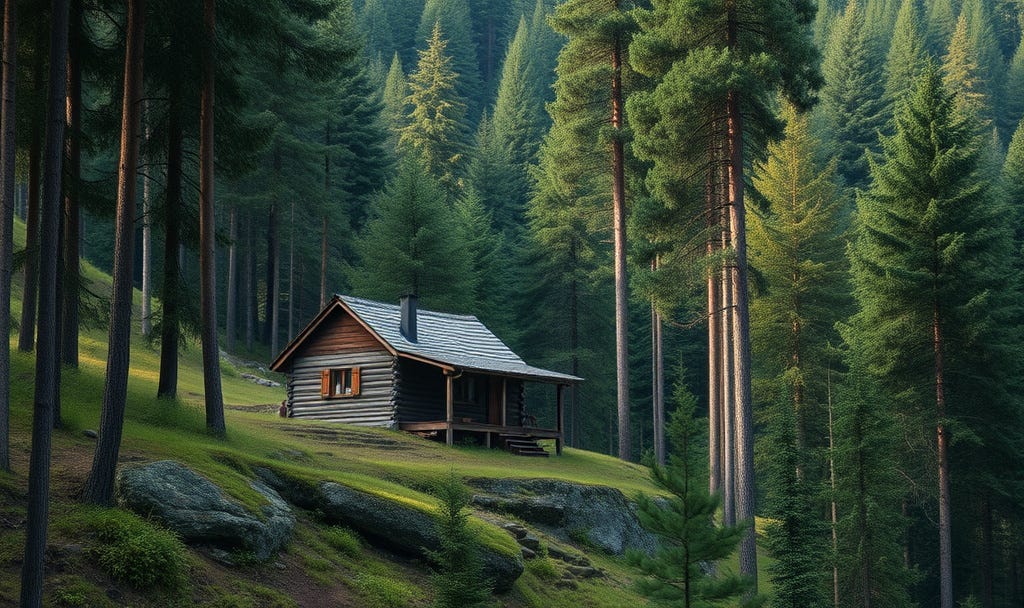
What to Look for in Your Off-Grid Tiny House Spot
Before committing, it’s essential to evaluate several factors.
Sunlight availability should be a top priority—ideally a flat or gently south-facing slope (if you’re in the Northern Hemisphere), with minimal shading by trees or hills. Keep seasonal sunlight variations in mind, especially for winter when the sun is low and solar power output drops. There are many websites that tell you average sunlight hours per day. Google is your friend.
Sunlight and shading of course depends where you plan to install your solar panel (if anything). Generally, you want your tiny house in a shaded and protected area — but obviously not when you want to install the solar panels on your roof (which is what I did). Like so often with tiny living every decision is a compromise and you need to decide what’s more important for you.
Water access is often the hardest challenge. Investigate local groundwater depth, quality, and permitted usage for wells. Alternatively, assess rainfall levels—adequate precipitation makes rainwater catchment viable. Nearby rivers or lakes might seem ideal, but they often require treatment to be safe and involve legal considerations. If all that fails you may consider fresh water delivery. In some areas that is feasible. Very often though these kind of deliveries only deliver high volume. Your location also needs to be accessible by larger trucks.
Severe weather potential also deserves scrutiny: if the site is exposed to high winds, snow accumulation, or flooding risk, your design and maintenance demands will jump.
Lastly, consider access roads—can emergency vehicles reach you? Will the route be passable throughout the seasons?
Here’s a simple checklist of key factors to consider:
South-facing slopes or flat areas (Northern Hemisphere): They get the most sun.
Minimal shading: Trees, hills, or buildings can reduce solar panel output.
Seasonal variations: Sun angle and daylight hours in winter can drastically cut energy production.
Space for solar panels: You’ll need room for a well-oriented array without shade interruptions.
Check local water tables: Do wells exist? Are they legal? What’s water quality like?
Rainfall patterns: High rainfall makes rainwater catchment more feasible.
Natural water bodies: Rivers, lakes can be a resource, but may require treatment.
Water rights and regulations: Find out if you are allowed to draw or store onsite water.
Photo by Bruce Kee on Unsplash

Top 5 Questions to Ask Before Choosing Your Site
While scouting sites, keep these important questions in mind.
Is there reliable, year-round sun exposure?
If solar powers your home, this is a dealbreaker.Where will your water come from, and is it permitted?
Legal wells, rainwater harvesting, or haul-in options? What’s realistic?How will extreme weather affect your home and daily life?
High wind, snow loads, storms? Shelter and insulation must match.What’s the access like year-round?
Is the road maintained in winter? Are supplies and services reachable?What do local zoning laws say about tiny homes and off-grid living?
Some counties prohibit permanent tiny homes; check before buying.
Asking these upfront can save considerable stress and financial setbacks. Sometimes it’s worth walking away from a place you love if it doesn’t meet these core requirements.
Evaluating Potential Sites: Practical Tips
When you visit potential locations, timing and observation are your best tools. Visit multiple times—different seasons and times of the day—to witness how sunlight hits your site and how weather impacts accessibility. Take lots of photos and videos from different locations and angles. Utilize apps or a simple compass to track sunlight angles and shadows. Checking out satellite images on Google Maps is a great starter.
Generally speaking to people is gold. Try to meet several relevant people and just have a chat. Speak with neighbors, local authorities, or landowners to verify water availability, quality, and legal restrictions.
Access roads are vital. Drive them yourself, ideally in different weather conditions, to judge reliability. Try to gauge community connection: friendliness, services, internet access, and emergency response times. This intangible factor can dramatically affect quality of life.
Weighing Location Types: Pros and Cons
Some common off-grid spots include wooded hilltops, open flatlands, near water sources, established tiny home communities, and remote wilderness. Hilltops offer wind protection and good solar exposure but may face accessibility issues and pests. Open flatlands provide excellent sun and building ease but can feel exposed to the elements. Sites near water grants vital resources but might bring flood risks or bugs. Communities offer social support and shared resources but less privacy, while wilderness offers solitude with risks of isolation and wildlife encounters.

Small Fixes That Go a Long Way
Even after choosing a site, you can improve many aspects with thoughtful adjustments. Selective tree or bush clearing or planting can increase sunlight without destroying natural beauty. Planting windbreaks or fences moderates harsh winds while preserving eye-level views. Extending gutters and roofs improves rainwater collection, enhancing your water reserves. Improving gravel or legal driveway access can make a world of difference in supply runs and emergencies.
Final Thoughts: Make Location Work for Your Freedom
Choosing your off-grid tiny house’s location isn’t just choosing a place to put a house—it’s choosing the whole framework of your new life. It shapes your independence, comfort, safety, and happiness. It’s worth spending the time to research, visit, and ask tough questions. With the right location, you empower your tiny home to be a true sanctuary—and a smart foundation for sustainable living.
Up Next in the Tiny House series: “System Maintenance & DIY Skills: Becoming Your Own Tiny Utility Company,” which will unpack the must-have skills and mindsets for off-grid resilience.
If you found this guide helpful, please subscribe to The Rich Minimalist for ongoing practical advice, stories, and community support on your journey toward simple, healthy, and free living:
Have your own location tips, questions, or experiences? Share them in the comments below—let’s learn and help each other build richer minimalist lives.
Would you like a checklist or printable worksheet for your site evaluation? Just ask, and I’ll create one for the community!
Or just leave a ❤️