

As previously announced, I completed another book which is now finally available on Amazon for pre-order:

Find out all the details about the book, including structure, content and a podcast, take a look at my book page. Below I provide a sample text from the book.
During the pre-order phase, I am selling the book at a discounted rate for $0.99. But don’t forget that subscribers to The Rich Minimalist will get the book for free anyway. This will happen about one week after the official book launch. So, if you haven’t yet, make sure you subscribe to The Rich Minimalist publication here on Substack.
Here is a book sample text:
Chapter 9: Other Off-Grid Energy Solutions for Tiny Homes
Alternative Energy Sources
Alternative energy sources are vital for those seeking autonomy and sustainability in their off-grid tiny homes. The very definition of off-grid means that there is just no infrastructure. So, everything you need, you need to create yourself. While solar power often takes center stage — as we have seen so far already — other alternative energy options can complement solar systems, enhancing energy independence and efficiency. Understanding these alternatives not only broadens the scope of energy solutions available to tiny home dwellers but also helps to build more redundancy and less dependence into energy supply systems.
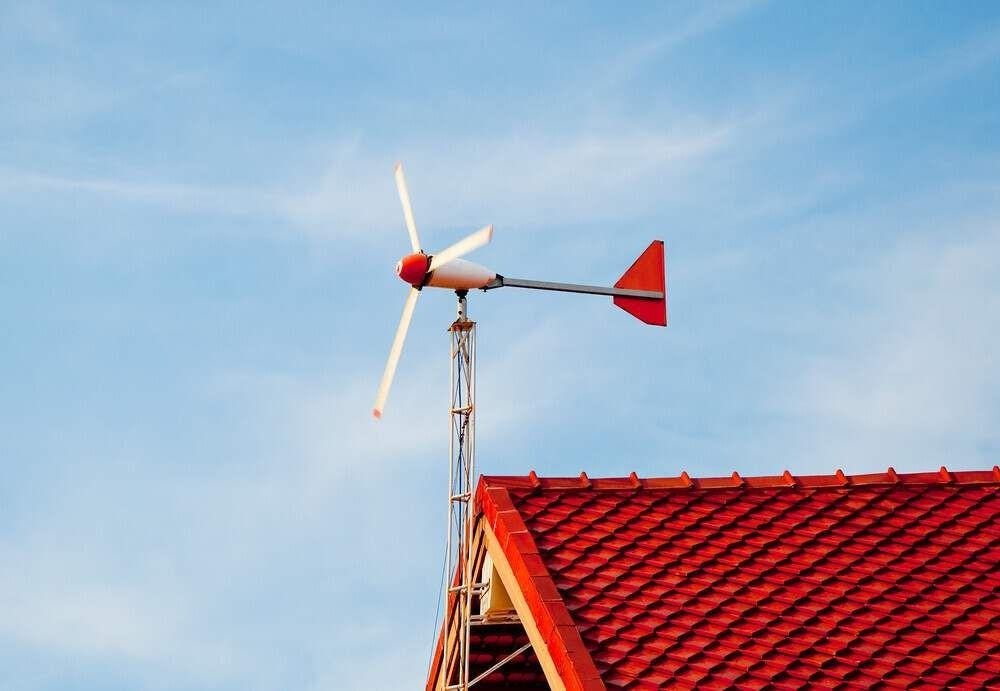
Wind energy is one of the most accessible alternative sources for off-grid living. Small wind turbines can be strategically installed in areas with consistent wind patterns, providing a some energy boost, especially during seasons when solar energy may be less abundant. These turbines vary in size and capacity, allowing for customization based on specific energy needs and space constraints. By integrating wind power with solar energy systems, tiny home owners can create a more resilient energy infrastructure, ensuring a steady supply of electricity regardless of weather conditions.
Wind turbines are a useful complement to solar but are generally less efficient. Here are some numbers to make it a bit better understandable: For operations you need a fairly strong and constant wind. Efficient power production typically starts at average wind speeds of 4.5–5.5 m/s (10–12 mph). Power output increases dramatically at higher wind speeds because generation scales with the cube of wind speed. Doubling wind speed can yield eight times the power. For tiny houses really only small or medium turbines are relevant. You probably won’t install a turbine with a rotor diameter of over six meters.
A typical small turbine with a one meter rotor diameter and 400W rated power will require a minimum of 3 m/s wind to produce about 270Wh per day on average. This is about enough for lights and device charging. Bear in mind that this daily average may vary strongly depending on seasons. A medium turbine with a 2.5 meter rotor diameter and 1kW rated power will produce about 2.7kWh at 5.5 m/s average wind per day on average. This can cover occasional appliance use up to a refrigerator.
Hydropower, while less common for tiny homes, can be an effective solution if you are located near owing water sources. Micro-hydropower systems harness the kinetic energy of moving water to generate electricity. For people who venture into more remote areas with streams or rivers, this can be a sustainable and efficient way to meet energy demands. As with wind energy, the feasibility of hydropower depends on the specific site conditions, but its low environmental impact makes it an appealing option for nature enthusiasts looking to minimize their footprint.
Biomass energy also presents an alternative for off-grid living, particularly if you want to prioritize waste reduction and sustainable practices. By utilizing organic materials such as wood, agricultural residues, or even food waste, tiny home owners can generate bioenergy. This can be achieved through simple systems like wood stoves for heating or more complex setups that convert biomass into gas for cooking or electricity. Employing biomass not only decreases reliance on fossil fuels but also aligns with a minimalist lifestyle that values resourcefulness and ecological balance.
Finally, geothermal energy offers another layer of sustainability for tiny homes. By tapping into the earth’s natural heat, home owners can maintain comfortable indoor temperatures year-round. This involves installing ground-source heat pumps that draw warmth from the ground in winter and dissipate heat in summer. Although the initial investment may be higher than other systems, the long-term savings on energy bills, combined with the reduced environmental impact, make geothermal energy a worthy consideration for those committed to living harmoniously with nature.
A ground-source heat pump is efficient in the long run but due to its extremely high initial cost (around 20,000.-) it is very rare.
Hybrid Energy Solutions
To continue reading, pre-order the book on Amazon, or subscribe to The Rich Minimalist.
Remember:
The book is currently available for pre-order. But all subscribers to The Rich Minimalist publication here on Substack will get the ebook for free.
If you are not subscribed yet, click the button below. It’s free.
Or just leave comment or a ❤️ below.