

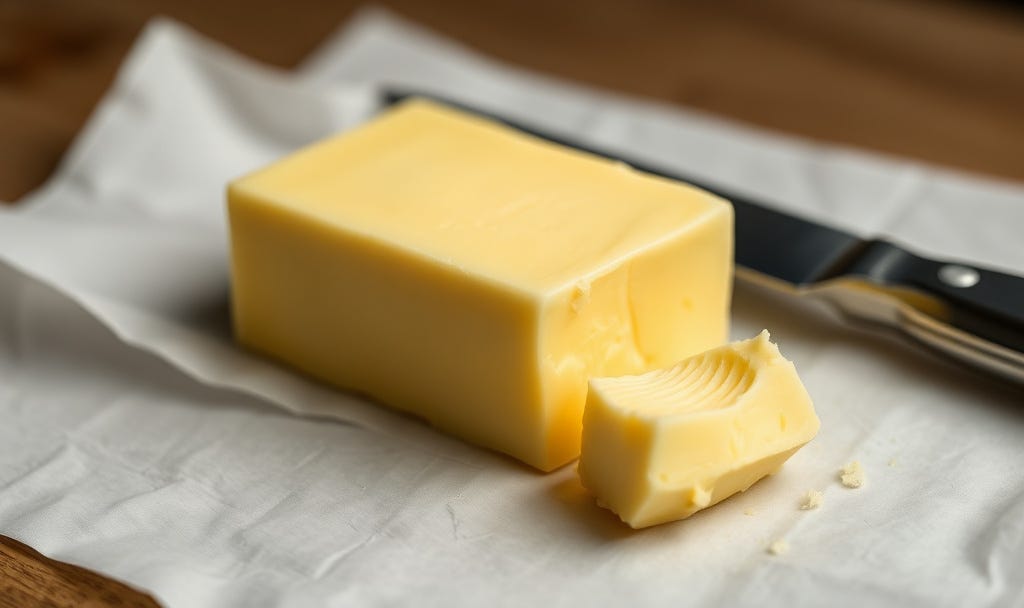
Butter is one of those foods that gets pulled between nostalgia and nutrition science (similar to my previous article about salt). For an active, outdoor, minimalist lifestyle, it can absolutely have a place but it is not a health food in the same sense as olive oil, nuts, or avocado. The evidence suggests butter is best treated as a moderation food: useful, enjoyable, and sometimes practical, but not something to build the diet around.
What butter contains
Butter is mostly milk fat, with a small amount of water, traces of protein, and a few fat-soluble vitamins. A tablespoon of butter is about 14 grams and contains roughly 102 calories, 11.5 grams of fat, and about 7 grams of saturated fat. Butter can also provide vitamin A, and in some datasets it contains small amounts of vitamin D, vitamin E, vitamin K, and iodine depending on the dairy and production method.
That nutrient profile explains why butter is calorie-dense, rich, and satisfying, even in a tiny amount. It also explains why butter is easy to overuse: a little goes a long way. For a minimalist kitchen, that can be an advantage if you want one simple fat that adds flavor and energy, but it also means portion size matters.
How butter is made
Butter is produced by churning cream until the fat globules coalesce and separate from the liquid buttermilk. In simple terms, cream changes from a fat-in-water emulsion into a water-in-fat emulsion as the mechanical action breaks the structure apart. That is why butter feels so different from cream, and why it spreads, melts, and cooks the way it does.
From a minimalist perspective, butter is interesting because it is such a stripped-down food: cream, churned, often salted, and little else. It is one of the oldest examples of turning a raw ingredient into a stable, versatile staple. But the simplicity of production does not automatically make it nutritionally ideal.
Is butter healthy?
The honest answer is: it depends on the context.
Butter is not poisonous, and it is not something you need to fear in small amounts. A 2016 systematic review found butter had little to no association with cardiovascular disease and only weak associations with total mortality and diabetes, though the authors cautioned against treating butter as a health-promoting food. More recent large cohort research found higher butter intake was associated with higher total mortality, while plant-based oils were associated with lower mortality.
The main nutritional issue is butter’s high saturated fat content. Saturated fat can raise LDL cholesterol, which increases cardiovascular risk, and major guidance from the American Heart Association and the Dietary Guidelines for Americans recommends limiting saturated fat and replacing it with unsaturated fats when possible.
So butter is not “bad” in every context, but it is generally not the healthiest default fat if heart health is the goal.
What is healthy about butter
Butter does have a few strengths.
It is a real, minimally processed food, which fits well with a whole-foods, outdoors-oriented, simple-living approach. It is energy dense, portable, shelf-stable for short periods, and easy to cook with. It also delivers fat-soluble vitamins and can make vegetables, potatoes, eggs, and simple meals more satisfying.
For people doing a lot of physical work, hiking, or living outdoors, that satiety can matter. A small amount of butter can help you eat enough, which is important when you are active and burning energy. In that sense, butter can be part of a practical minimalist food system: few ingredients, high usefulness, easy storage.
What to watch out for
The main thing to watch is the combination of butter and excess total saturated fat. Because butter is very rich in saturated fat, it can quickly take up a large share of your daily limit. If the rest of your diet already includes cheese, red meat, cream, pastries, or coconut products, butter can push saturated fat intake too high.
It is also easy to overcook with butter. Butter has a lower smoke point than many refined oils because of its milk solids and water content, so it can brown and burn more quickly in high-heat cooking. Clarified butter or ghee handles heat better because the milk solids are removed, which makes it more suitable for frying or searing. For everyday cooking, though, using butter gently is usually the better approach.
How much butter makes sense
There is no universal “perfect” amount, but a reasonable minimum for a healthy diet is zero. You do not need butter at all to meet nutrition requirements. If you enjoy it, a practical everyday range for many active adults is about 1 to 2 teaspoons to 1 tablespoon a day, especially if you are also eating other sources of saturated fat. That keeps butter in the background rather than making it a major fat source.
A sensible upper average for a healthy diet is usually around 1 tablespoon a day for regular use, or a little more on occasion if the rest of the diet is low in saturated fat and rich in unsaturated fats. The U.S. guidance on saturated fat suggests keeping saturated fat below 10% of calories, and the AHA recommends even less, around 6% of calories for heart health. Since one tablespoon of butter contains about 7 grams of saturated fat, it can use up a meaningful share of that allowance very quickly.
For an active outdoor lifestyle, the key is not to chase a higher butter target. It is to use butter strategically: on potatoes, vegetables, eggs, or post-hike meals when you want flavor and calories, while keeping most of your fats coming from more unsaturated sources.
Best way to use butter
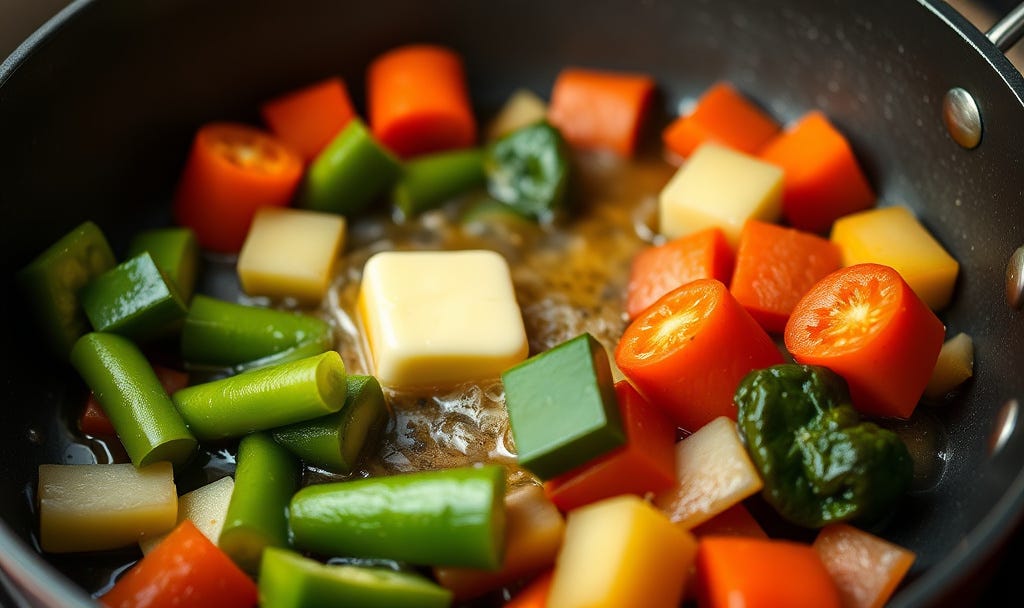
Butter works best when it is used like a seasoning fat, not a main nutrition strategy. A small pat on cooked vegetables, a bit in a skillet, or a spoonful in a hot meal can add a lot of satisfaction without making the diet heavy in saturated fat. That makes it a nice fit for tiny house cooking, vanlife meals, and simple camping-style food.
If you want the healthiest overall pattern, butter should usually coexist with olive oil, nuts, seeds, fish, and other unsaturated fats that have stronger evidence for heart health. In other words, butter can have a role, but it should not crowd out the fats that better support long-term health.
Having said that: it’s all about balance. If you love butter, have more. But then you need to reduce somewhere else. The key thing is to have your overall macro split in check depending on your goals — but that’s a topic for another post.
Minimalist takeaway
Butter is a classic minimalist food: simple, compact, and useful. It is not the enemy, but it is also not the fat you want to rely on most. The science suggests a moderate approach is best: enjoy butter, use it deliberately, and keep saturated fat in check by balancing it with healthier unsaturated fats.
For The Rich Minimalist, that is the deeper lesson. The goal is not to strip life of pleasure, but to keep the useful things and use them wisely. Butter can absolutely belong in that life; just in the right amount, and in the right place.
If this kind of practical approach to tiny house living, minimalism, and self-sufficiency resonates with you, consider subscribing to The Rich Minimalist. It’s free.
Or just leave a comment or a ❤️