

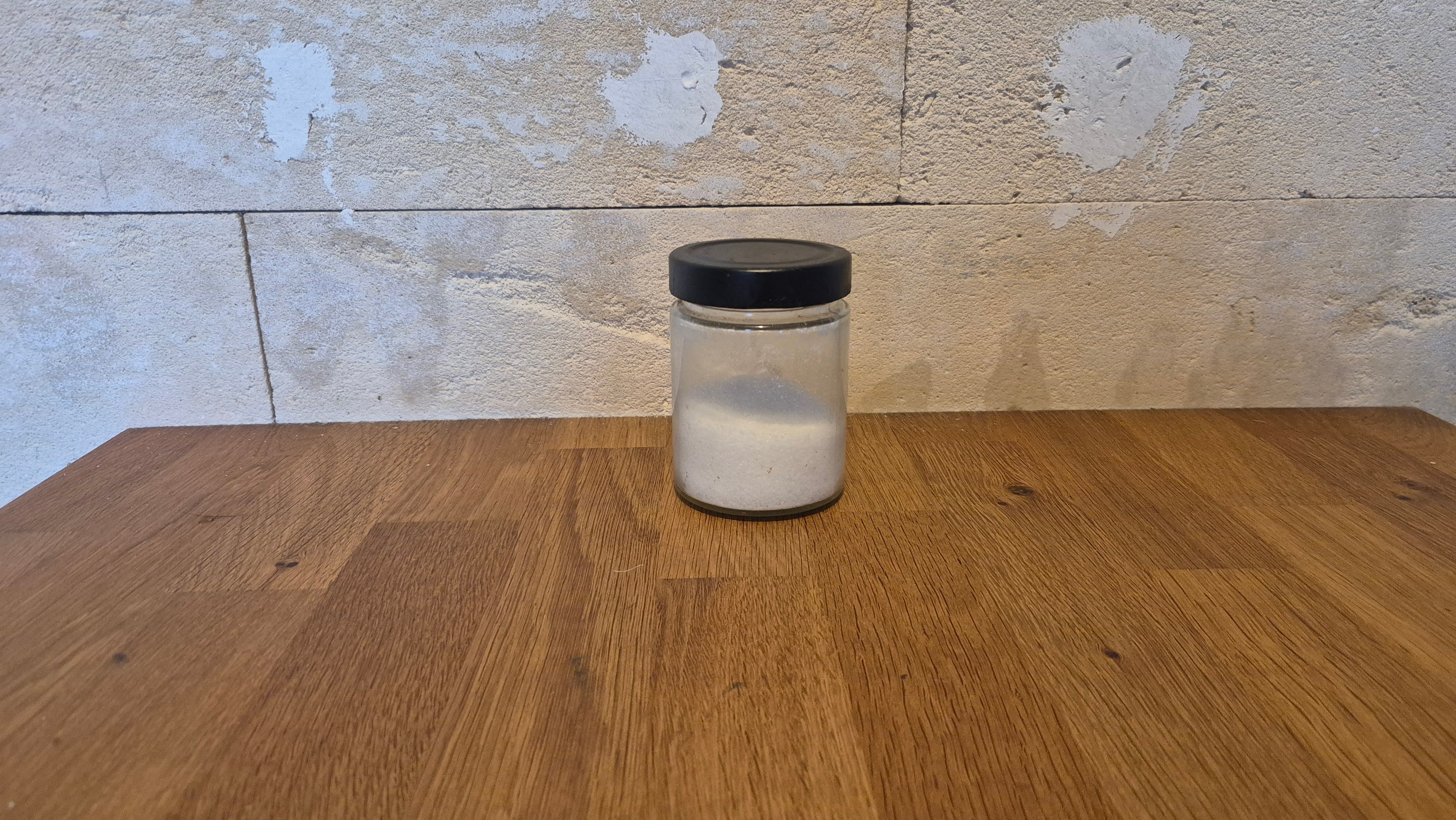
Salt is one of those topics where people tend to swing between extremes. On one side, you have the old advice that treats salt like a villain. On the other side, you have the growing awareness that if you live actively, sweat a lot, and spend time outdoors, you may actually need more salt than you think.
For people living a minimalist, tiny house, or nature-based lifestyle, this matters a lot because your body is not sitting still behind a desk all day. It is moving, sweating, adapting, and losing minerals through activity and weather.
The funny thing is that salt is both incredibly simple and deeply misunderstood. It is a basic mineral, but the conversation around it has become full of confusion, fear, and half-truths.
So let’s strip it down and look at it in a practical way: what salt does, why we need it, when we need more or less, and how to get it in a healthy, natural, minimalist way.
Why salt matters in the body
Salt is not just something that makes food taste better. It is a core part of how your body functions. The sodium in salt helps regulate fluid balance, supports nerve signaling, helps muscles contract properly, and plays a role in maintaining blood pressure and blood volume. Without enough sodium, your body simply does not work well.
This becomes especially important if you live an active life. If you hike, train, cycle, work outside, or live in a hot climate, you sweat. And when you sweat, you lose sodium. If you replace only water and not salt, you can actually make yourself feel worse, not better. That is why people who live outdoors often notice that plain water is not always enough. Sometimes you need electrolytes, and sometimes the simplest electrolyte is just salt.
Check out my earlier article about Ditch the Expensive Sugar Bombs: The Minimalist’s Healthier, Cheaper Electrolyte Drink for Real Rehydration if you want to know more.
From a minimalist perspective, this is beautiful in a way. One small, cheap mineral can do a huge amount of work. You do not need a complicated supplement stack or fancy sports drinks every day. You need to understand what your body is asking for and respond intelligently.
How much salt do we actually need?
This is where things get tricky, because the answer depends on your body, your climate, your sweat rate, your diet, and your activity level. There is no single perfect number for everyone. So, I am very careful in stating this but according to some sources a rough range for a healthy adult can be 1,500 to 2,300 mg of sodium per day, which equals about 3.75 to 5.75 grams of salt per day.
For many sedentary adults, standard dietary guidelines recommend keeping sodium intake moderate, because excessive salt can contribute to high blood pressure in sensitive people. But for people who sweat heavily, eat mostly whole foods, or live and work outdoors, the picture can be very different. You may need more salt than the average office worker, especially in hot weather or during long physical days.
A useful practical approach is to pay attention to your body. If you feel lightheaded, unusually fatigued, weak, crampy, or headachy after sweating a lot, low sodium may be part of the problem. If you crave salty foods after a hard day outside, that is not necessarily a bad thing. Your body may be telling you something useful.
The key is balance. Too little salt can be a problem. Too much salt, especially if your diet is full of processed foods and you are not active, can also be a problem. The minimalist answer is not “more salt always” or “less salt always.” It is “the right amount for the life you actually live.” I personally on balance tend to take rather too much salt than too little in case of doubt. But that is my personal preference based on my specific body condition.
Salt myths that need to go
One of the biggest myths is that salt is always unhealthy. That idea came from a simplified public health message that was useful in some contexts, but it got turned into a blanket rule. In reality, sodium is essential. The issue is not salt itself. The issue is often excessive intake in the wrong context, especially from ultra-processed food combined with inactivity and other health risks.
Another myth is that all salt is the same. Technically, sodium chloride is sodium chloride, but the source, processing, and accompanying minerals can vary. Table salt is usually highly refined and often iodized. Sea salt, rock salt, and mineral salts may contain trace minerals, but those minerals are usually present in small amounts. Still, from a lifestyle point of view, some people prefer less processed salts, both for taste and because they fit a natural food approach.
A third myth is that if you drink lots of water, you do not need much salt. That is not true, especially for active people. If you drink a lot of plain water while sweating heavily, you can dilute your sodium level and feel worse. Hydration is not just about water volume. It is about water plus minerals.
A fourth myth is that salt automatically causes high blood pressure in everyone. Some people are more salt-sensitive than others, and health conditions matter. But for many active people with otherwise healthy diets, sodium is not the enemy people make it out to be.
Good sources of salt
The simplest source of salt is, of course, salt itself. But there are different ways to get it, and some are better suited to a minimalist, outdoor life than others.
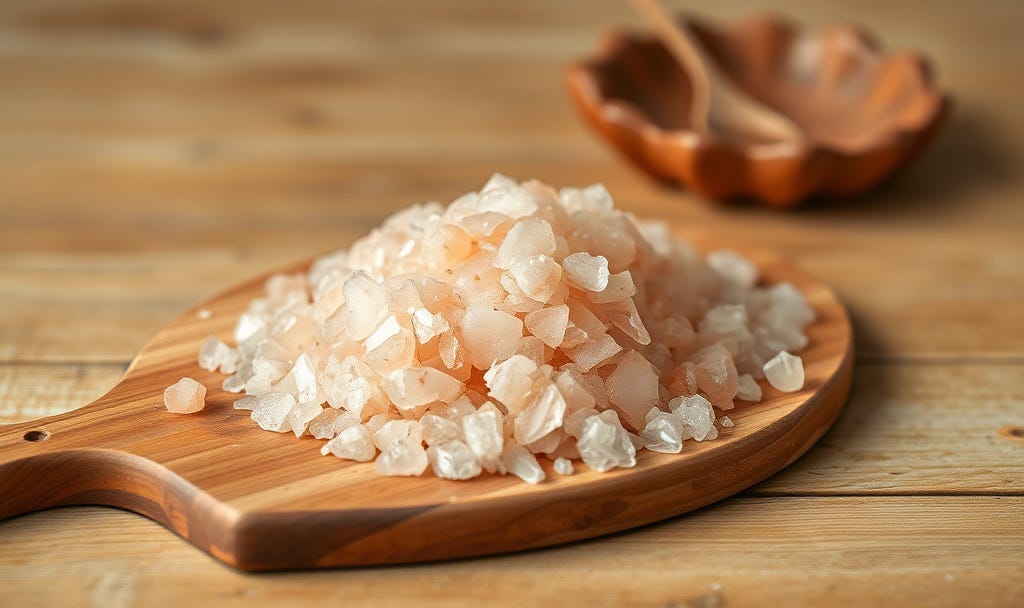
One option is sea salt. It is widely available, easy to use, and often preferred for cooking because of its taste. Another is rock salt or mineral salt, which can have a nice natural profile and sometimes includes trace minerals.
Iodized table salt is also important in some diets, especially if you do not eat much seafood or other iodine-rich foods. The iodine part matters more than many people realize, because iodine supports thyroid function.
You can also get sodium from broths, soups, fermented foods, cheese, olives, pickles, salted nuts, cured meats, and naturally salty foods. If you live simply and cook at home, these can be very useful sources. A pot of soup with good salt can be deeply nourishing after a cold day outside. Even something as basic as salted eggs, salted potatoes, or a homemade electrolyte drink can make a big difference.
For a tiny house or off-grid lifestyle, the best salt source is usually the one that is simple, affordable, and easy to store. You do not need ten different specialty salts. One good (little processed) salt that you actually use consistently is usually enough.
When you need more salt
There are several situations where your salt needs can go up.
If you are sweating a lot, you need more salt. That includes hot weather, hard physical work, endurance training, hiking, biking, or long days in the sun. If you are living in a tiny house and spending much of your day outdoors, this becomes very relevant.
If you eat mostly whole foods and little processed food, you may also need to add salt more deliberately. Processed food often contains a lot of hidden sodium (next time read the label of a frozen pizza and you’ll be shocked), while a clean minimalist diet may contain much less. That can be healthy, but it may also mean you need to salt your meals properly.
If you are doing low-carb or ketogenic eating, your sodium needs can go up too, because the body tends to excrete more sodium when insulin levels are lower. This is one reason people on low-carb diets often feel better with more salt, not less.
And if you are sick, have diarrhea, or are recovering from heat exposure, you may need extra salt and fluids. In those moments, plain water is usually not enough.
When you may need less salt
There are also situations where less salt makes sense. If you are sedentary, eat a lot of packaged food, and already get plenty of sodium from your diet, then adding more salt may not help you at all. If you have certain medical conditions, especially related to blood pressure, kidney function, or fluid retention, you should be more cautious and follow professional medical advice.
It is also possible to become too focused on salt as a trendy “biohacking” fix. That can lead people to overdo it, especially if they are copying advice from very active individuals while living a very different life. The right amount of salt is personal. Context matters.
The minimalist lesson here is very simple: do not add complexity where it is not needed. Salt should support your life, not become another ideology.

How to get enough salt in a natural, minimalist way
The best way to get enough salt is usually to salt your food intentionally and pay attention to your body. If you cook at home, use salt as part of your normal process instead of sprinkling it randomly at the table. That way you are building balance into your meals.
If you live an active outdoor life, you may also want to drink mineral water or make a simple homemade electrolyte drink when needed. On especially hot or active days, a bit of salt in water can be useful. You do not need a lab-grade formula. You just need something practical that helps you recover.
Fermented foods and broths are also wonderful because they combine salt with nourishment. In a tiny house kitchen, this is a very efficient way to eat well without fuss.
And perhaps most importantly, learn your own signals. Cramping, unusual fatigue, dizziness, headaches after sweating, or a sudden salt craving can all be clues. Your body often knows before your mind does.
The Rich Minimalist view on salt
From a Rich Minimalist perspective, salt is a good example of how simple things can matter a lot. You do not need a complicated life to live well. You need a few basics that work: water, food, movement, rest, and the right minerals.
Salt fits that philosophy perfectly. It is small, cheap, portable, and powerful. It supports outdoor life, helps with recovery, and keeps your body functioning when you are active and sweating. It is also a reminder that “natural” does not mean “no salt,” and “healthy” does not mean “as little as possible.”
For anyone living in a tiny house, on the road, or close to nature, salt is not something to fear. It is something to understand. And it’s one of the things I always have available (next to coffee).
If this kind of practical approach to tiny house living, minimalism, and self-sufficiency resonates with you, consider subscribing to The Rich Minimalist. It’s free.
Or just leave a comment or a ❤️