

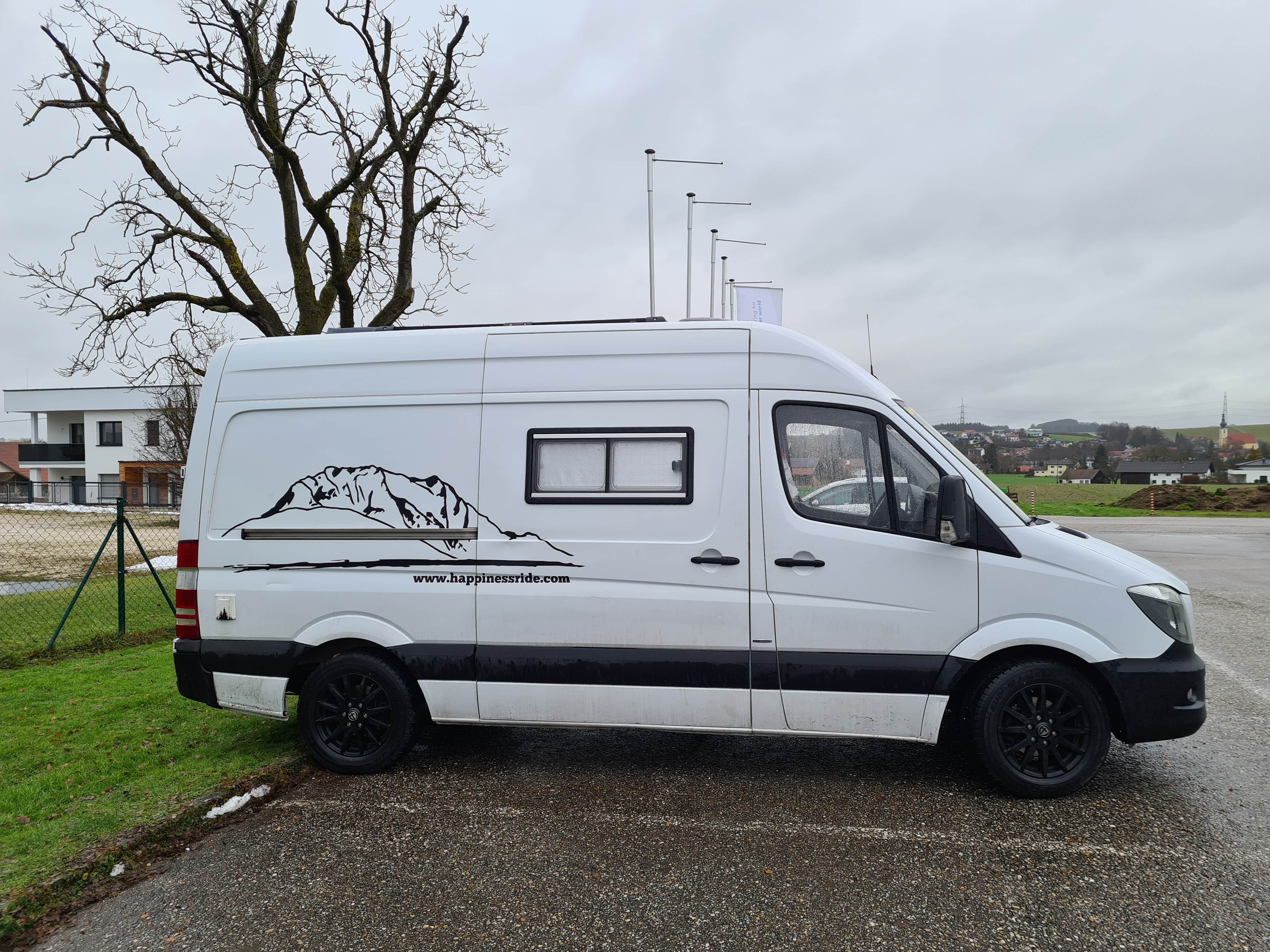
Van life can look simple from the outside:
Find a van, convert it, and hit the road.
But anyone who has lived it knows that the vehicle choice is the foundation of everything. If you pick the wrong van, you do not just create inconvenience, you create a home that is expensive, hard to maintain, or even unusable when something breaks. Your van is your house.
That is why choosing a van for camper conversion is one of the most important decisions in the whole van life journey. The best van is not necessarily the biggest, the most popular, or the cheapest one on paper. It is the one that fits your needs, your usage, your mechanical comfort level, and your budget for the years ahead.
Why the van matters so much
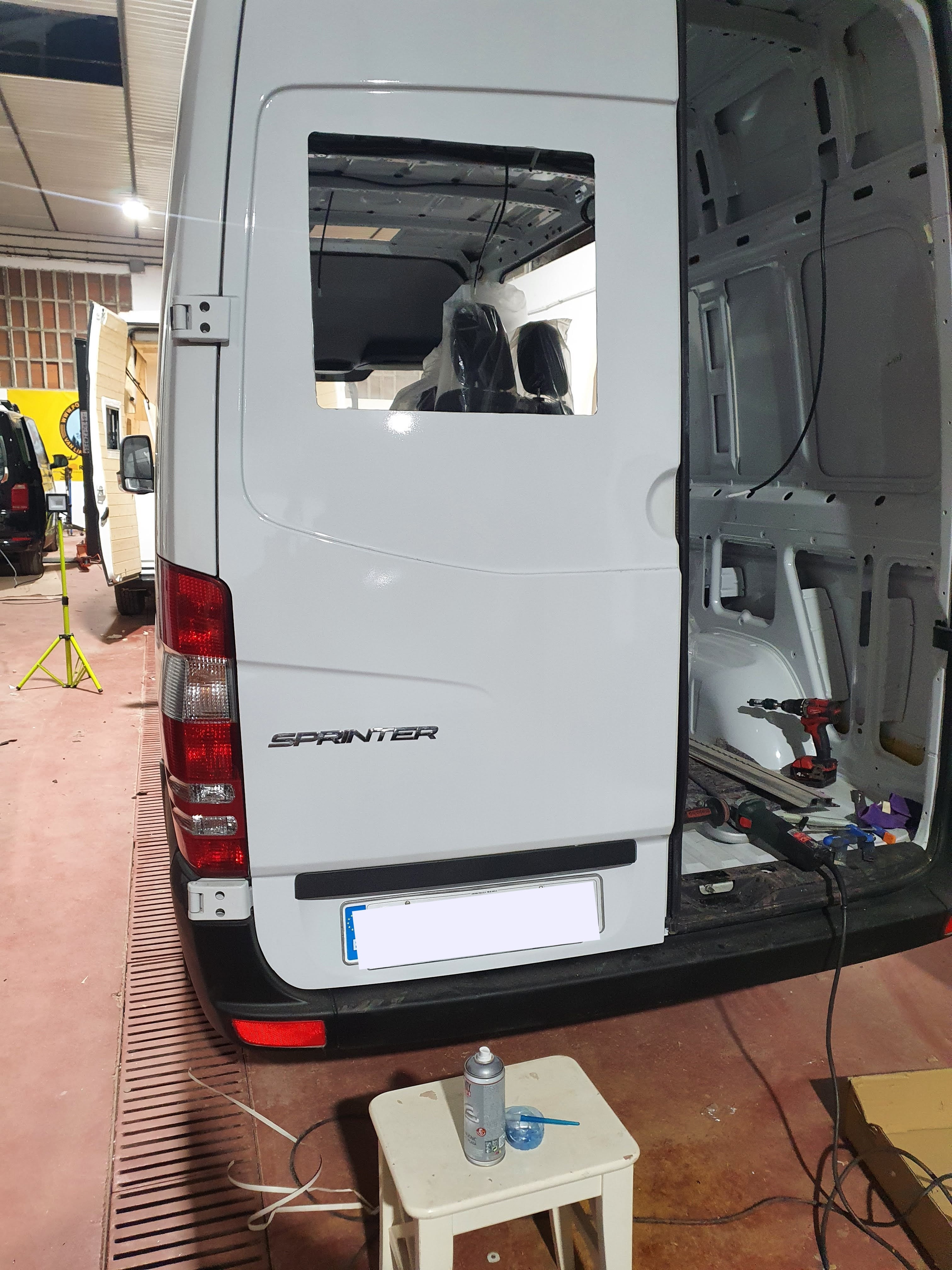
Unlike a normal car, a van in van life is not just transport. It is your kitchen, bedroom, storage, shelter, and sometimes your office. That means the usual car-buying mindset is not enough. You are not only asking, “Will this vehicle get me from A to B?” You are asking, “Can I live inside this machine, trust it on the road, and afford to keep it alive? Does it have enough possibilities and space so that I can actually implement my conversion ideas?” For instance, sometimes you cannot simply install a window where you’d like to have it. The frame layout of the van may have something against it, and you certainly do not want to cut the frame.
That is where reliability and maintenance costs become absolutely critical. If a van breaks down, you often do not have the luxury of ignoring it. In a camper van, a breakdown is not a minor inconvenience. It can mean your house is suddenly unavailable. That is why budget planning for van repair is just as important as budget planning for the conversion itself.
I learned this the hard way with my own Mercedes Sprinter. I chose it because Sprinters are generally considered reliable vans, and that was a major reason I bought mine. For a long time, that seemed like the right decision. But recently the engine’s vacuum pump failed, and I had no real choice but to repair it. That kind of collateral damage is exactly what van life budget planning needs to account for: even good vans can surprise you, and when they do, you usually have to fix them.
Start with your real needs
Before looking at specific makes and models, define how you will actually use the van. Are you going to live in it full-time or part-time? Travel solo or with another person? Stay in cities, off-grid, or both? Do you want standing height? A shower (internal/external)? A fixed vs foldable bed? Bikes inside? Solar on the roof? A lot of van buyers start with the van and then try to force a lifestyle into it. It works much better the other way around.
For European van life, size is especially important because roads, parking, ferries, and fuel costs all matter. A larger van gives you comfort and storage, but it can also make city driving harder and limit where you can park. A smaller van is easier to move around, but every square meter becomes precious. So the question is not “What is the biggest van I can afford?” The real question is “What size van supports my life without making everything harder?”
That balance is the heart of practical minimalist camper van planning.
Reliability beats romance
It is easy to fall in love with a van’s look. The body shape, the brand, the color, the feeling of solidity, all of that matters emotionally. But the emotional choice is not always the smart one. A van that looks beautiful but is hard or expensive to maintain can become a financial trap.
When buying a used van in Europe, reliability should be one of your top filters. Look at the reputation of the engine, the availability and cost of parts, and the presence of mechanics who know the model. A van is far more attractive if repairs can be done easily and parts are widely available. This is especially true if you are planning to travel across multiple countries.
You also want to think about how “friendly” the van is to maintain. Some vans are known for common issues, and some have expensive labor times because access is difficult. A vehicle that is slightly more expensive upfront but cheaper to maintain may actually be the better long-term buy. One question that sadly becomes less and less relevant is how much you can do yourself. Too many of the modern vans are heavily relying on software and/or specific tools and that is basically inaccessible for normal people.
Budget for repairs before you buy
One big van life mistake is spending almost all your budget on the purchase and conversion, leaving nothing for the inevitable surprises. That is dangerous because a camper van is a machine with moving parts, wear parts, and age-related problems. At some point, something will need attention.
A smart van life budget should include:
Purchase price
Conversion cost
Registration and insurance
Tyres, brakes, and fluids
Preventive maintenance
An emergency repair fund
That repair fund matters more than most people realize. If your van is also your home, the cost of a breakdown can be both mechanical and emotional; especially emotional, especially when it’s expensive, then it’s even more emotional. You may lose mobility, time, and peace of mind all at once.
My own vacuum pump repair was a perfect example of this. The van was still otherwise useful, but I had no option to postpone the fix. When the house on wheels needs surgery, the bill comes whether you are ready or not.
What to look for in Europe
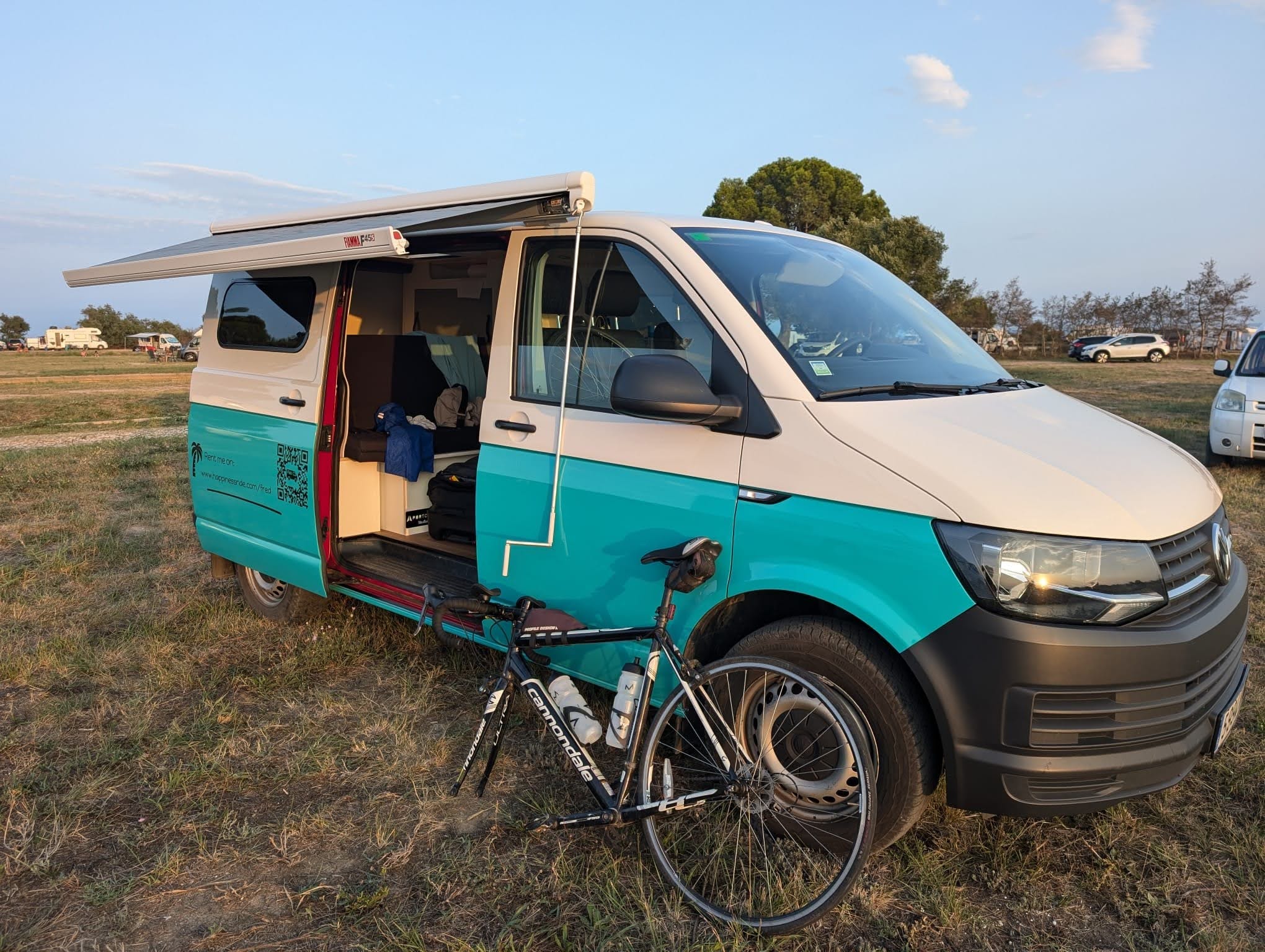
If you are shopping in Europe, there are some specific practical points to consider. First, think about vehicle dimensions and local restrictions. Some countries and cities make larger vans awkward to use, so a compact or medium wheelbase can be a huge advantage. Second, consider fuel type, emissions rules, and access to city zones. I had to make sure that my camper van Fred is EURO6 conform otherwise it cannot enter Spanish cities and, hence, it would be useless for renting. Diesel is still common in European vans, but rules are changing and city access matters more each year.
You should also check whether the van model is common in the country where you plan to buy and travel. A common van usually means easier parts access, more mechanics who know it, and less downtime. That is valuable when your van is your daily shelter.
For used van buying in Europe, service history is incredibly important. A well-maintained van with records is usually preferable to a cheaper van with mystery ownership and no clear mechanical story. Rust is another major issue, depending on climate and region, so inspect the underside, wheel arches, and common corrosion points carefully.
Questions to ask before buying
A good van buyer thinks like both a driver and a mechanic. Before committing, ask:
How many kilometers are on it?
Does it have a full service history?
Are there known engine or transmission issues?
Is rust a problem?
Are parts easy to find?
What is the likely annual maintenance cost?
Can I afford a major repair if something fails?
These questions may not feel exciting, but they are the difference between a dream vehicle and an expensive mistake.
Remember: the van is not just a purchase, it is the basis of your home, your movement, and your freedom.
Sprinter-style lesson
The Mercedes Sprinter is a good example of the balance you want to strike. It is often seen as a solid choice for camper van conversion because of its size, comfort, and general reliability reputation. That is why many vanlifers choose it. But even a strong reputation does not remove the risk of unexpected failures.
My own experience with the vacuum pump issue was a reminder that reliability is not the same as invincibility. You can make a smart choice and still face a costly repair. That is why the right mindset is not “this van will never break.” The right mindset is “if this van breaks, can I handle it?”
That question should guide your buying decision more than optimism alone.
Minimalist van life thinking
There is a deeply minimalist principle here. A van is only valuable if it supports freedom, not if it becomes a burden. Simplicity is not about choosing the cheapest vehicle possible. It is about choosing the vehicle that gives you the most usable life with the least unnecessary stress.
Don’t lose sight of the goal: The van is not the goal. It is a means to achieving a goal, which may look differently for different people but generally it’s about living a free(er) life.
For me, that means thinking in long-term value, not short-term excitement. It means leaving room in the budget for reality. It means remembering that a house on wheels is still a machine, and machines need care. But also a machine that has and hopefully keeps value. So, if at some point my circumstances change, I should be able to monetize my van. If you respect this kind of thinking from the start, van life becomes far more sustainable.
Final thought
If you are choosing a van for later van conversion, take your time and think beyond the conversion. Size, layout, reliability, parts availability, repair costs, and service history all matter just as much as the dream of the final build. In van life, the best van is the one that can support your lifestyle without constantly threatening your budget. Then it becomes stressful and stress is not enjoyable.
That is what makes the choice so important.
You are not just buying a van. You are choosing the structure that will hold your freedom.
If you are curious about the van side of this journey, stay tuned. I’ll continue diving deeper into vanlife topics, and how to maintain the same Rich Minimalist mindset while you’re parked at the edge of the world.
Subscribe to The Rich Minimalist for more practical, field-tested lessons on living better with less, whether you’re behind the wheel of a camper van or in a mountainside tiny house.
Or just leave a comment or a ❤️
Hi Stefan,
Thanks for you comment. yes, it is a beautiful world to get lost in. all aspects of it... The van conversion but then also the the travels and possibilities. I love it.
I get your point about bigger van. When I started with my first van, I did collect my key requirements (must-haves, and nice-to-haves), based on my planed use cases. For example, I knew I would go snowboarding in the alps a lot. So, the van needed to have a solid heating and good insulation. I also wanted to comfortably stand up in it, a fixed bed (I don't want to fiddle with doing and un-doing a bed), and a toilet and shower inside. This all meant a slightly bigger van.
The downside of it: going into city centers and parking can be a nightmare and costly. But then I figured, I don't want to be in cities anyway. I want to be out in the wild.
So, for me this worked out really well (for now at least).
Good look for your project ;)
Manfred
good writeup, thanks! I am in round 1: bought the first mini-van, repaired/paid quite a lot, learning what I like and don't like about it, dreaming of "the bigger van" while fearing the trap ...
Would I travel more in a bigger vehicle or would the bigger vehicle make things harder?
A very interesting field to get lost in ;-)