

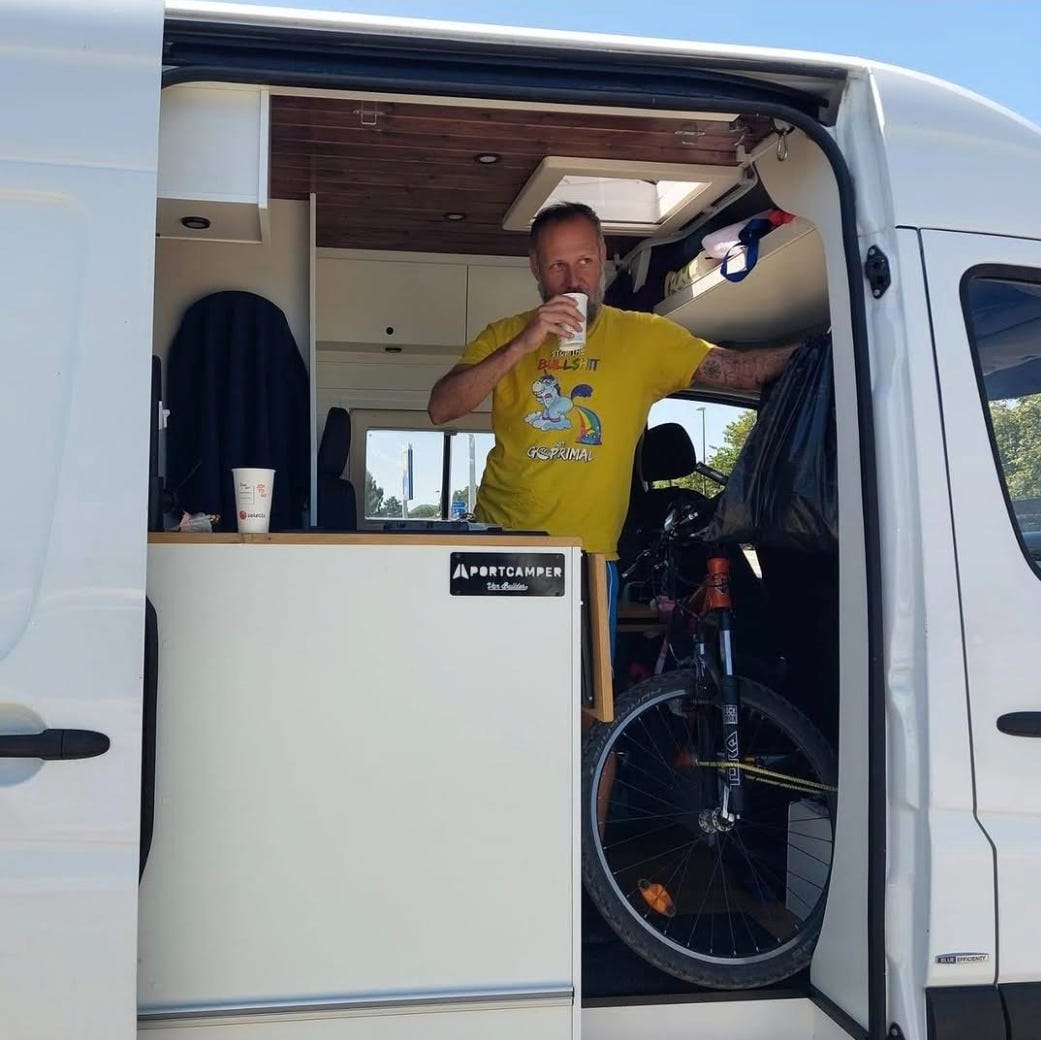
Four years ago, I packed my life into a camper van and hit the road. Well, kind of. Not all of it. But a substantial amount. And I was and still am on the road a lot. Recently, it’s been more vanlife again.
It was the catalyst for everything that followed. That van taught me that I could survive, work, and thrive with not much: a bed, a cooker, shower, toilet, heating and a steering wheel. A year ago, I added a tiny house to the mix, giving myself another base in the mountains of the Pyrenees.
Now, I change between the two worlds a lot. People often ask me which one I prefer, or which one is the “better” minimalist choice. The truth is, they aren’t competitors. They are different instruments in the same orchestra. Understanding the difference between tiny house living and vanlife is the key to knowing which flavor of freedom you’re actually chasing.
The Philosophy: Freedom of Location vs. Freedom of Depth
At their core, both lifestyles are an act of rebellion against the “more is better” culture. They both say no to the mortgage, the extra rooms, the storage units, and the endless (and needless) accumulation of stuff. But the kind of freedom they offer is fundamentally different.
Vanlife is about mobility.
It is freedom of location.
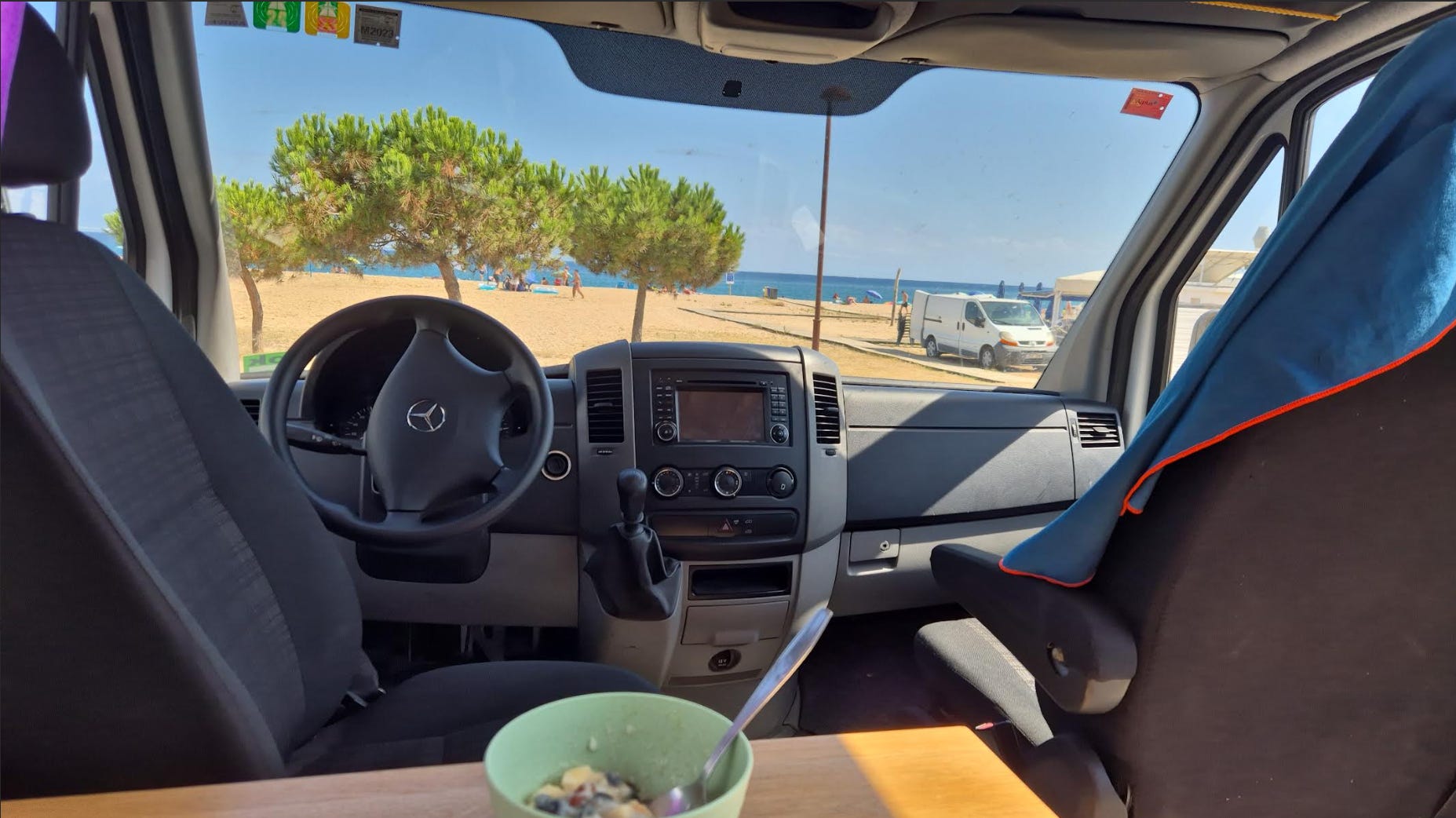
It is the ability to wake up in a forest, drive to a mountain pass, and fall asleep by the sea. The philosophy of the van is adventure, spontaneity, and constant discovery. You are a nomad. Your world is as large as the next tank of fuel. The challenge here is letting go of the need for “home” as a place, and instead finding home in your movement.
Tiny house living is about depth.
It is freedom of place.
You are choosing to root yourself in a specific environment: to learn the seasons, the local neighbors, the way the light hits the trees in winter (and your solar panels), and the rhythm of your specific plot of land. The philosophy of the tiny house is consistency, growth, and community. You are a steward. The challenge here is the opposite of the van: it’s learning to find your adventure within the limits of one beautiful, fixed location.
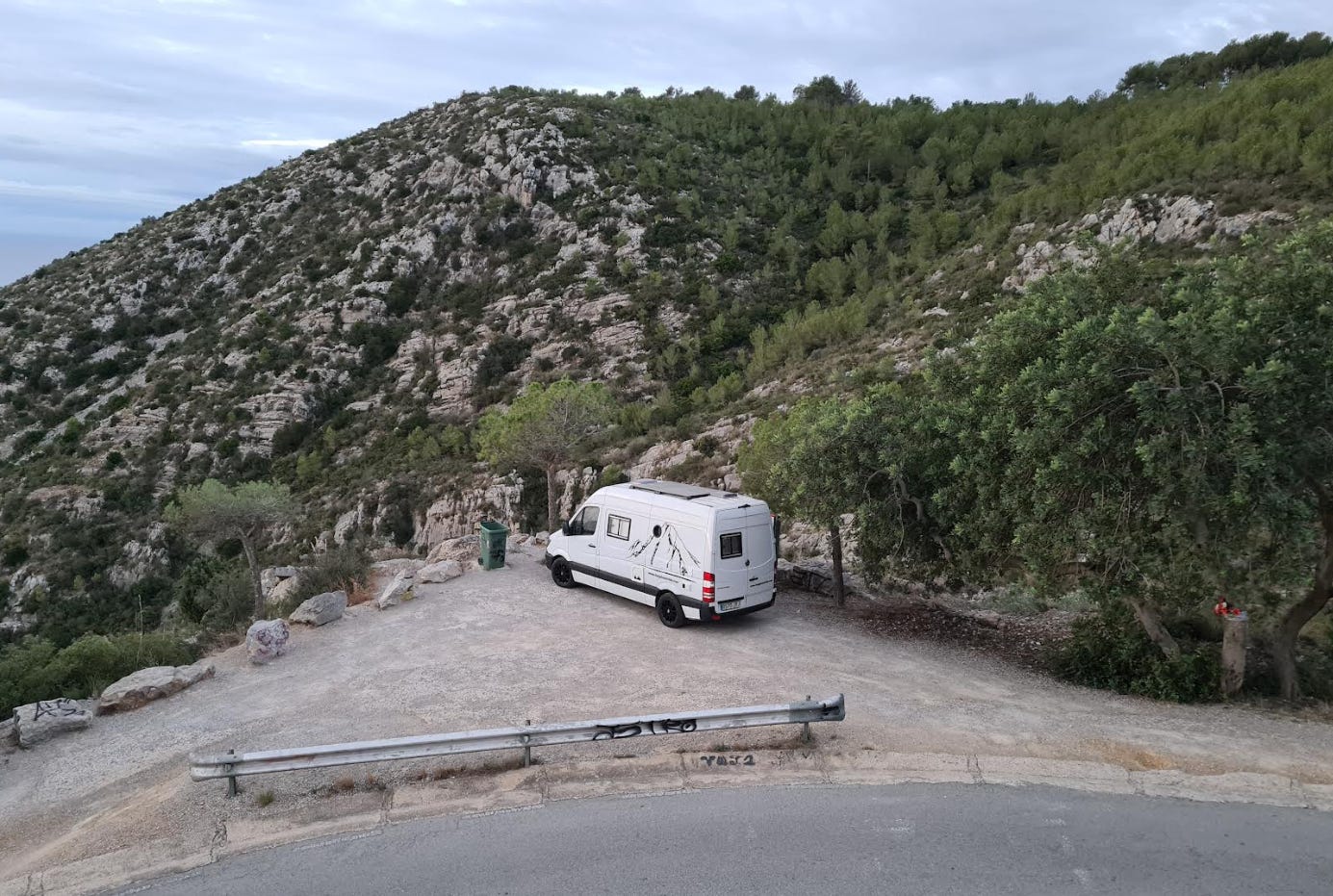
Technical Realities: The Engine vs. The Foundation
Technically, these two worlds are worlds apart, and your lifestyle will be defined by the hardware you choose. But even though they are worlds apart there are many concepts and products that are very similar (eg, most solar power products are very similar, just more powerful and larger for the tiny house). There are lots of transferable skills and technologies between the two.
A camper van is a masterclass in compromise. Everything is mobile, which means everything must be vibration-proof, compact, and multi-functional. Your water system is just a tank you fill. Your electricity is a battery bank you charge while driving or from a small solar array. Your heating is often very basic. You are always balancing weight, space, and power. If your van breaks, you lose your house. That risk is the price of the engine.
A tiny house is different. It is a structure, not a vehicle. You can build it to higher standards of insulation, comfort, and space. You can have a more reliable water collection system (like the rainwater harvesting I wrote about last month), a larger solar setup, and more permanent furniture. You don’t have to worry about the van engine dying, but you do have to deal with property, land usage, and the logistical challenge of moving if you ever decide to relocate.
The technical “friction” of a van is the maintenance of the vehicle and the search for parking. The friction of a tiny house is the commitment to the plot.
Why Vanlife is the ultimate minimalist teacher
Since I started with the van four years ago, I can tell you: vanlife is a “minimalism crash course.” You cannot hide in a van. You cannot hoard in a van. If you buy something, something else has to go. It forces you to define your essentials with surgical precision.
Vanlife taught me four critical minimalist lessons:
Utility is the only beauty. Does it work? Does it fit? If not, out it goes.
Experiences beat objects. When you are moving, you care less about your couch and more about the trail you’re hiking.
You need much less than you think. I found that I was perfectly happy living on 10 liters of water a day, working on a tiny table, and just bringing a couple of my favorite clothes. I became a master in van laundry.
Resilience is built in the road. When something breaks in the middle of nowhere, you fix it. You don’t call a landlord. You become the mechanic, the electrician, … whatever. Whatever problem there is, you gotta solve it. Obviously Internet access on your phone helps. There is a Youtube video for everything.
Comparing the Two: Which One Suits You?
If you are currently deciding between the two, don’t look at the “living options.” Look at your own personality.
Choose Vanlife if:
You feel restless and want to explore.
You don’t mind “finding a spot” every few days.
You are comfortable with a bit of daily unpredictability.
You want to maximize your travel and geographic variety.
Choose a Tiny House if:
You crave a consistent routine and a relationship with a specific place.
You want a “base” where you can grow food, build a garden, or host friends.
You value a bit more thermal comfort, space, and (close to) standard living systems.
You want to integrate your life into a community or a specific natural landscape.
My “Rich Minimalist” Hybrid
I don’t choose. I don’t need to thankfully. I use them both and interchange a lot between the two. Depending on how I feel in that period. I use the van for what it’s good for (travel, adventure, mobility) and the tiny house for what it’s good for (deep work, health, roots, community).
This is the beauty of a freedom-first lifestyle: you don’t have to marry your setup. You can evolve. I started in the van, learned the limits of mobility, and added the tiny house to get the depth I was craving. Maybe you’ll start in a tiny house and realize you need the van to see the world. That’s okay.
As I start publishing more about vanlife, keep this in mind: the van is not a “lesser” house. It is a home with a different purpose. It is a tool for seeing the world that also happens to be where you sleep. When you stop viewing it as a “compromise” compared to a house, you start seeing it as a platform for radical freedom.
Final Thoughts: The Journey Matters Most
Whether you choose wheels or roots, both paths lead to the same destination: the realization that the modern dream of “more” is a mirage. We don’t need the three-bedroom suburban box to be safe. We don’t need the garage full of stuff to be happy.
We need space to breathe, space to work, and the freedom to spend our hours on things that actually matter, and in surroundings that actually make us happy.
If you are curious about the van side of this journey, stay tuned. In the coming months, I’ll be diving deeper into vanlife topics, the specific gear that makes vanlife sustainable, and how to maintain the same Rich Minimalist mindset while you’re parked at the edge of the world.
Subscribe to The Rich Minimalist for more practical, field-tested lessons on living better with less, whether you’re in a mountainside tiny house or behind the wheel of a camper van.
Or just leave a comment or a ❤️