

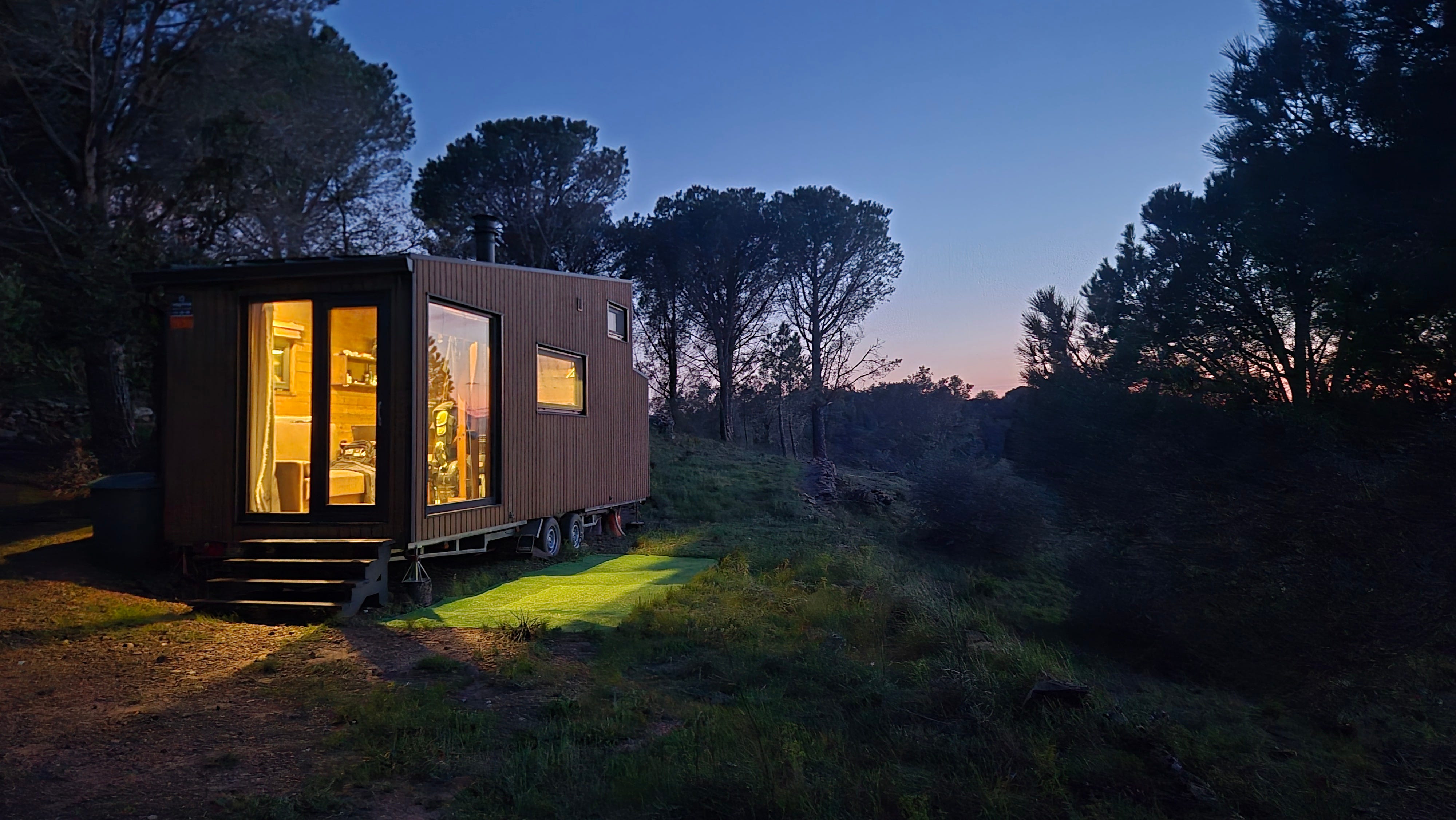
Living in a tiny house, camper van, or remote place in nature can feel wonderfully free. You wake up with less noise, fewer obligations, and a closer connection to nature, the weather, the seasons, and your own rhythms. But this kind of freedom also comes with a responsibility that city life often hides from us:
You need to function.
If you are parked in the wilderness, far from a pharmacy, garage, supermarket, or hospital, a bad cold, back injury, digestive problem, lack of sleep, mental crash, or just a little cut in your finger can change everything. In a city, help is usually close. You can order food, call a taxi, visit a doctor, or simply lie low in a comfortable apartment. In the wild, your own health and capability are more central. You are not completely alone, of course, but you are more dependent on yourself.
That is why a healthy minimalist lifestyle is not about looking fit or chasing perfection. It is about being functional, capable, resilient, and free.
A more primal kind of freedom
Modern comfort can make us forget how recently daily life required physical competence. For much of history and, in many ways, for our grandparents or great-grandparents, food needed preparing, wood needed carrying, things needed fixing, and movement was built into the day. Life was not necessarily easier or healthier in every respect, but it demanded a closer relationship with the body.
Tiny house and camper van living can bring back a small piece of that relationship. You carry water. You maintain your vehicle. You think about food storage. You walk further, spend more time outside, and adapt to heat, cold, rain, wind, and changing terrain. The world becomes less abstract.
This can be enlightening. It reminds you that health is not a separate hobby squeezed into an hour at the gym. Health is the ability to live your own life without unnecessary dependence. It is being able to hike back to the van, prepare a decent meal, sleep well in an unfamiliar place, stay calm when something goes wrong, and recover when life becomes demanding.
That is the deeper meaning of minimalist and tiny house health: you are building a life in which freedom and physical functionality support each other.
Food is practical freedom
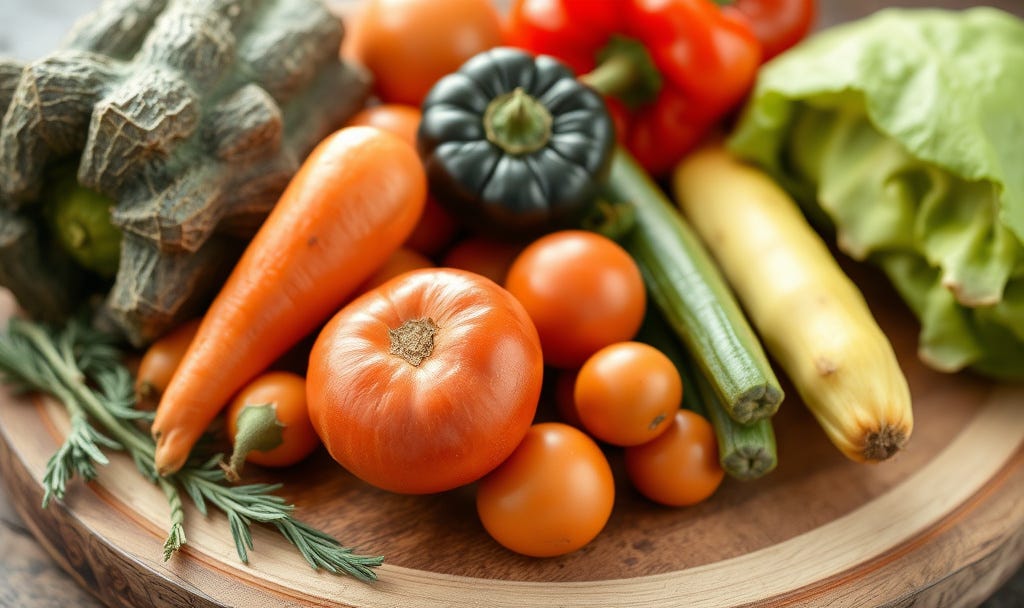
Fresh, simple food is one of the strongest foundations of a healthy minimalist lifestyle. When your body works well, you have more stable energy, clearer thinking, better mood, and a greater ability to handle physical demands. When it does not, even a beautiful location can become difficult to enjoy.
Prioritize fresh, local, seasonal, and minimally processed foods where possible. Build most meals around vegetables and fruit, legumes, whole grains or starchy vegetables, quality protein, and fats that support long-term health. WHO describes a healthy diet as one that is adequate, balanced, moderate, and diverse. It meets nutrient needs without excess and balances carbohydrates, fats, and protein appropriately.
The ideal macro split is not identical for everyone. It depends on your body size, activity level, goals, and personal response to food. But a practical place to begin is:
Protein with every meal, from foods such as eggs, fish, yoghurt, legumes, tofu, meat, or cheese.
Carbohydrates from minimally processed sources such as potatoes, oats, rice, fruit, beans, and whole grains. This is particularly useful when you walk, hike, cycle, work physically, or train for short term energy.
Fats from foods such as olive oil, nuts, seeds, avocado, eggs, and fish, while keeping highly processed fats and excess saturated fat in perspective.
The aim is not dietary perfection. It is dependable energy. In a tiny kitchen or camper van, simple meals often work best: eggs and vegetables, yoghurt with fruit and nuts, lentil soup, potatoes with fish, rice with beans and seasonal vegetables. Good food does not need many ingredients or complicated equipment.
Water matters too. In hot weather and during long activity, stay hydrated, but avoid the common mistake of forcing excessive amounts of water. Wilderness medicine guidance generally emphasizes drinking according to thirst during activity and paying attention to conditions, duration, and individual needs.
Move to stay capable
In conventional life, movement often becomes a separate task. We sit all day, then try to “make up for it” with exercise. Outdoor and minimalist living offers a better opportunity: make movement part of the structure of your day.
Walk. Carry groceries. Cycle to town. Hike. Swim. Do a few bodyweight exercises outside. Chop wood if that is part of your life. The point is not to turn every day into a hard workout. It is to maintain the strength, mobility, balance, and cardiovascular capacity that make independent living easier.
Health authorities recommend that adults get 150 to 300 minutes of moderate aerobic activity weekly, or 75 to 150 minutes of vigorous activity, plus muscle-strengthening exercise on at least two days each week. That sounds formal, but it can be simple in practice: regular walking, a couple of strength sessions, some uphill hiking, and mobility work.
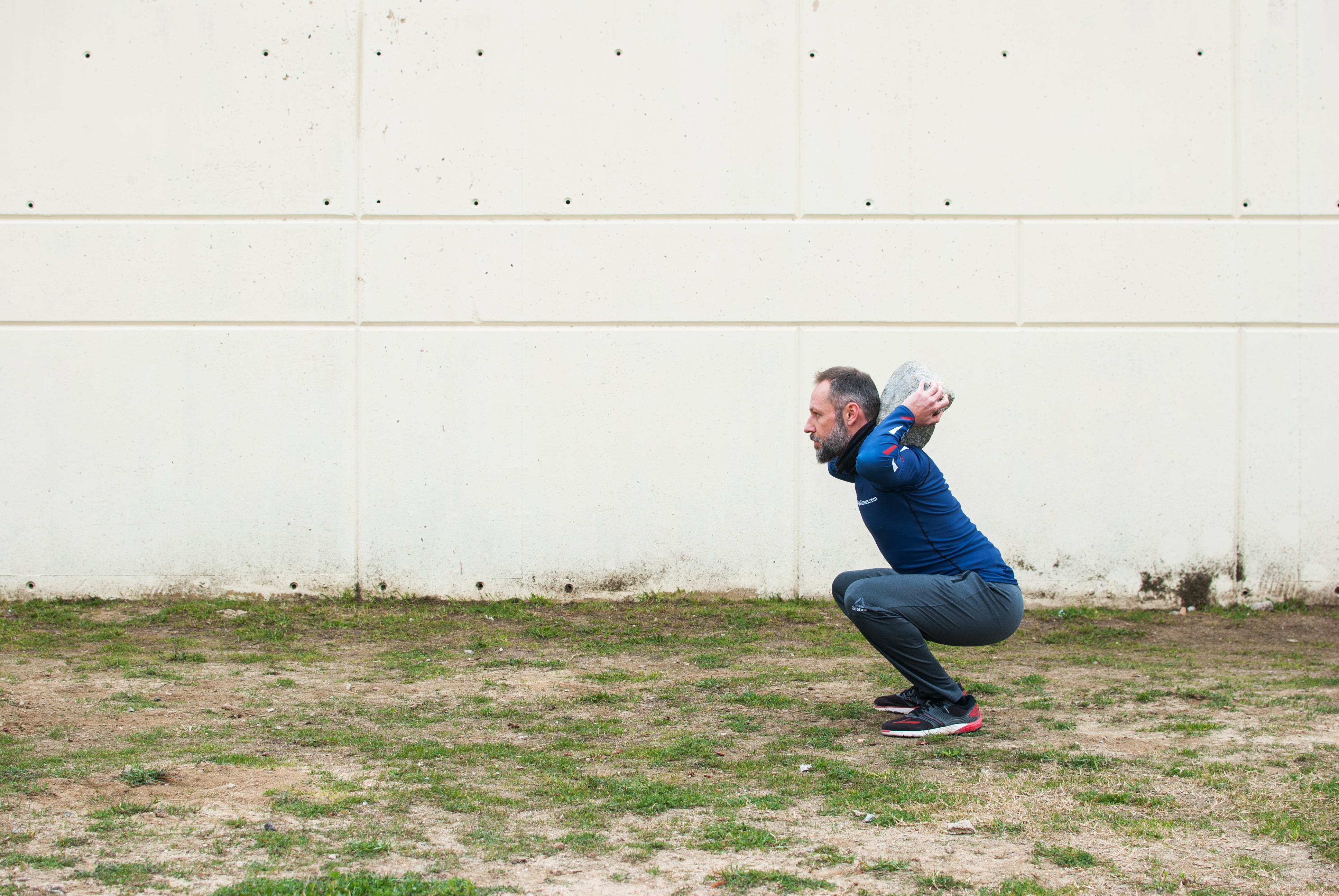
For a camper van or tiny house lifestyle, basic strength is particularly valuable. Strong legs make uneven paths and hills easier. A strong back and core help when lifting, reaching, driving, and carrying water. Good balance helps prevent the sort of slip or fall that can become a serious problem when you are remote.
A short routine is enough. Squats, push-ups, rows with a resistance band, lunges, planks, and hanging or pulling movements can cover a great deal. Keep it simple enough that you can do it anywhere: beside the van, near a lake, or outside your tiny home.
Sleep and recovery are not optional
Freedom without recovery eventually becomes exhaustion. It is tempting to see sleep as negotiable when you are travelling, working on projects, socializing, or enjoying long summer evenings. But sleep is when your body repairs itself, regulates mood, consolidates memory, and prepares for the next day.
Most adults need roughly seven to nine hours of sleep. Sleep quality matters as much as quantity. A dark, quiet, cool sleeping environment, a relatively consistent sleep schedule, daytime movement, and less screen exposure before bed can all help. I also want to emphasize that we probably don’t need 8h of sleep in one go during the night, which is what we’ve been told. I believe over the course of 24h we need to get that amount of sleep. So, let’s not stress when we had a bad night sleep, we can catch up during siesta.
In a van or tiny house, make your sleeping space a priority rather than an afterthought. Good ventilation, blackout covers, comfortable bedding, and insulation are not luxuries if they protect your sleep. They are part of your health infrastructure.
Recovery also means respecting signals from the body. If you are depleted, sore, injured, ill, or mentally overloaded, reduce the intensity. The goal is not to prove that you can suffer. The goal is to remain strong enough to enjoy a free life over many years.
Reduce stress by reducing dependency
Stress management is not only meditation or breathwork. This is often just lipstick on the pig. It is a lot more structural. Financial pressure, overwork, constant digital noise, difficult relationships, and dependence on expensive habits can keep the nervous system switched on all the time.
This is where financial freedom fits beautifully into a healthy minimalist lifestyle. When you reduce unnecessary expenses and material needs, you create more room to choose. You may be able to work less, avoid a toxic job, spend more time outdoors, sleep properly, cook your own food, and invest in relationships that genuinely matter.
That is not an argument for avoiding all responsibility. It is an argument for building a life where your money serves your health and freedom rather than consuming both. WHO’s guidance on stress management highlights regular meals, sleep, exercise, adequate fluids, and time with people you trust as practical foundations, not merely optional wellness rituals.
Nature can help too. Time outdoors rarely solves everything, but it often gives the mind fewer inputs to manage. A walk, a quiet morning outside, a swim, or sitting beside the van without needing to buy or achieve anything can return you to a more stable baseline.
Choose your inner circle carefully
Your environment is not only physical. It is social. The people closest to you influence your mood, habits, beliefs, energy, and self-respect. A relationship that is chronically manipulative, hostile, or draining can make a healthy lifestyle almost impossible to maintain.
“Toxic people will make you sick” may sound dramatic, but the underlying point is true: sustained relational stress affects sleep, food choices, motivation, emotional regulation, and physical health. Research consistently identifies social connection as an important factor in health and longevity.
A free life needs good people in it. Choose relationships where there is honesty, mutual respect, encouragement, and room to be yourself. This does not mean isolating yourself in the name of minimalism. It means being more selective about who gets access to your time and emotional energy.
Keep growing
Finally, health is not merely physical. A capable life needs curiosity. Learn how to repair something. Improve your cooking. Build a shelf. Study a language. Start a project. Build an app. Write a book. Learn wilderness first aid. Write, create, or develop a skill that makes you more useful and more alive.
Personal growth protects against stagnation. It gives the mind a meaningful challenge and increases your practical independence. In a minimalist life, you may own fewer things, but you can develop more abilities. That is a much richer kind of wealth.
The Rich Minimalist takeaway
The real purpose of health is not to pursue a perfect body. It is to protect your ability to live freely. In the city, we can sometimes outsource the consequences of poor habits. In nature, the connection becomes more obvious: your body is your transport, your resilience, your emergency plan, and your home base.
Eat real food. Move consistently. Sleep deeply. Lower unnecessary stress. Build financial freedom. Choose good people. Keep learning.
A tiny house or camper van can give you a more primal, direct, and honest way of living. But it asks something in return: take care of the body and mind that make that freedom possible.

Try Tiny House Living
If you want to dip your toes into the tiny house lifestyle before making bigger changes, you are welcome to book a stay at my Viking Tiny House, Berkana Othala, in the Spanish Pyrenees. Minimum stay is one month. This is for a reason, shorter than that and you wouldn’t be able to fully disconnect. You can work remotely, 5G signal is strong.
It is a comfortable, fully equipped tiny home surrounded by nature; a place to slow down, get active outdoors, recover, reflect, and experience how much freedom can come from living with less. It is secluded, yet only around 20 minutes from the beach and the nearest city.
To learn more, click the button below: